
Views: 0 Author: Site Editor Publish Time: 2026-01-27 Origin: Site
In today’s world, managing household expenses efficiently is more important than ever. Among these expenses, heating costs represent a significant portion, especially during cold seasons. As energy prices fluctuate and environmental awareness increases, homeowners are seeking smarter, cost-effective ways to control their heating consumption. One of the most promising solutions to this challenge is the use of Heat Meters. This article delves into how Heat Meters help reduce household heating costs, with detailed analysis, comparisons, and insights into the latest trends in heating cost control.
Heat Metersare devices designed to measure the amount of heat energy consumed in a household or building. By accurately monitoring heat usage, these meters provide essential data that helps homeowners understand their heating patterns and take necessary actions to reduce waste. Unlike traditional billing methods based on estimated consumption or flat rates, household Heat Meters ensure that users pay precisely for the heat they consume, leading to fairer billing and increased motivation to optimize heating use.
A typical heat meter consists of two main components:
Flow sensor: Measures the volume of the heat transfer fluid (usually water) passing through the heating system.
Temperature sensors: Measure the temperature difference between the supply and return lines.
By calculating the difference in temperature multiplied by the volume of fluid, the heat meter determines the actual heat energy consumed, usually displayed in kilowatt-hours (kWh).
Precise billing: Only pay for actual heat used.
Energy efficiency: Data enables users to adjust heating schedules and reduce unnecessary heating.
Transparency: Clear consumption data helps identify inefficiencies.
Environmental impact: Lower energy consumption reduces carbon footprints.
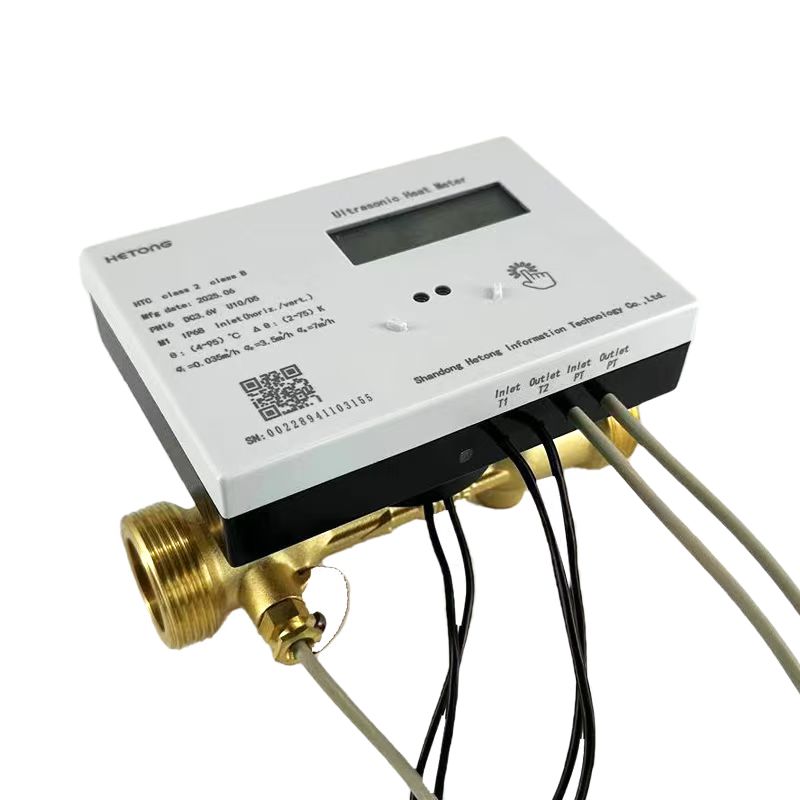
For instance, Shandong Hetong Information Technology Co., Ltd., a leading high-tech company from China, produces advanced ultrasonic heat meters that are widely recognized for their accuracy and reliability, further enabling homeowners and industries to benefit from precise heat measurement and energy savings.
With rising energy prices worldwide, the demand for household Heat Meters has surged. These devices are increasingly installed in residential buildings to promote heating cost control and energy conservation. When households switch from flat-rate billing to metered heating, they gain direct control over their heating expenses.
| Advantage | Description |
|---|---|
| Accurate measurement | Provides exact data on heat consumption, eliminating billing disputes. |
| Personalized control | Allows residents to adjust heating according to individual needs. |
| Encourages energy savings | Awareness of consumption motivates users to reduce wastage. |
| Supports sustainability | Helps in reducing overall energy demand, aiding environmental goals. |
According to a study by the European Heating Association, homes equipped with household Heat Meters saw an average reduction in heating bills of 15-30%, depending on usage behavior and building insulation quality. This demonstrates the direct impact of heat meters on reducing unnecessary heating consumption.
The heat meter market has evolved significantly, incorporating modern technologies to enhance accuracy and ease of use:
Ultrasonic Heat Meters: Use sound waves to measure fluid flow, offering high precision and reliability. Shandong Hetong’s ultrasonic heat meters, for example, are widely used in both industrial and household settings.
IoT-Enabled Heat Meters: Connected devices that allow remote monitoring and control via smartphones and smart home systems.
Smart Heat Meters: Integrate with home automation to adjust heating dynamically based on occupancy and weather forecasts.
Real-time Monitoring: Continuous data collection allows immediate adjustments.
Usage Analytics: Historical data helps identify trends and peak consumption periods.
Budgeting: Set heating budgets and receive alerts to avoid overspending.
System Maintenance: Early detection of system inefficiencies reduces energy loss.
Choosing the right Heat Meter is crucial for maximizing heating cost control. Below is a comparison of popular heat meter types:
| Feature | Ultrasonic Heat Meters | Mechanical Heat Meters | IoT-Enabled Heat Meters |
|---|---|---|---|
| Accuracy | High | Moderate | High |
| Maintenance | Low | High | Low to Moderate |
| Remote Monitoring | Limited (unless IoT-enabled) | No | Yes |
| Installation Cost | Moderate | Low | High |
| Lifespan | Long | Moderate | Long |
| Data Accessibility | On-site or IoT (if supported) | On-site | Remote, app-based |
Shandong Hetong's ultrasonic heat meters stand out in terms of accuracy, durability, and certification, making them an excellent choice for homeowners seeking long-term heating cost control solutions.
The rise of smart home technologies has driven the adoption of heating cost control Heat Meters that connect seamlessly to home automation systems. These smart meters provide detailed consumption data and enable automated adjustments to heating systems, optimizing energy use and reducing costs.
Governments worldwide are introducing regulations encouraging the installation of household Heat Meters to promote energy efficiency. Incentives, rebates, and subsidies are becoming common, making the initial investment more affordable for homeowners.
Big data and AI are being applied to analyze heat consumption patterns collected by Heat Meters. These insights lead to personalized energy-saving recommendations and predictive maintenance, further reducing heating costs.
As a high-tech enterprise specializing in ultrasonic heat meters, Shandong Hetong provides solutions that align perfectly with modern energy-saving goals. Their products, certified by CNAS and MID, ensure reliable, accurate heat measurement, empowering households to take control of their heating expenses effectively. With over 15 years of experience and a global presence, Hetong stands as a trusted partner for smart heating solutions.
Heat Meters measure the heat energy consumed by detecting the flow of heat transfer fluid and the temperature difference between the supply and return lines in a heating system. This data calculates the exact amount of heat used, enabling accurate billing and consumption monitoring.
By providing precise consumption data, Heat Meters for cost reduction allow homeowners to pay only for the heat they actually use, encouraging energy-saving behaviors and eliminating wasteful heating, ultimately lowering bills.
Installation costs vary depending on the type of meter and existing heating infrastructure. However, with government incentives and the long-term savings on heating costs, many find the investment worthwhile.
Ultrasonic heat meters are generally preferred for their high accuracy, low maintenance, and long lifespan. IoT-enabled meters offer additional benefits like remote monitoring and smart home integration.
Many modern heat meters can connect to Wi-Fi or other networks, allowing users to monitor and adjust heating remotely via apps, set heating schedules, and receive alerts to optimize consumption.
Yes. By optimizing heating use, Heat Meters reduce energy waste, lowering greenhouse gas emissions associated with heating and supporting sustainability goals.
Look for certifications like MID (Measurement Instruments Directive) and CNAS accreditation, which ensure the meter meets high standards of accuracy and quality. For example, Hetong’s ultrasonic heat meters carry these certifications.
Modern heat meters, especially ultrasonic types, offer accuracy within ±1-2%, ensuring reliable measurements for fair billing and energy management.
In conclusion, Heat Meters are essential tools in the modern quest to reduce household heating costs. By enabling precise measurement, personalized control, and integration with smart technologies, they provide a pathway to more efficient energy use and significant financial savings. Companies like Shandong Hetong Information Technology Co., Ltd. lead the way in producing advanced heat meters that empower homeowners worldwide. For anyone looking to gain control over their heating bills, investing in quality household Heat Meters is a smart, forward-thinking decision.


