
Views: 0 Author: Site Editor Publish Time: 2026-02-04 Origin: Site
Heat Meters have become an essential component for efficient heating management in residential, commercial, and industrial buildings. Proper Heat Meter installation ensures accurate measurement of thermal energy consumption, helping reduce waste, enable fair billing, and optimize heating system performance. For beginners, installing Heat Meters might seem complex, but with a systematic Heat Meter setup guide, the process can be streamlined and straightforward.
This comprehensive guide dives into the fundamentals of installing Heat Meters, common installation practices, recent technological trends, and best tips to ensure accuracy and longevity of your heat metering system. It incorporates data analysis and product comparisons, providing you with actionable insights and addressing common concerns to align with user search intent.
At their core, Heat Meters measure the thermal energy transferred by a heating system, usually via a circulating fluid such as hot water or steam. The meter calculates energy consumption by recording the flow rate and the temperature difference between supply and return lines.
Accurate measurement relies heavily on proper Heat Meter installation. Incorrect installation can cause:
Inaccurate readings
Frequent maintenance issues
Premature equipment failure
Inefficient heating system operation
Hence, following a well-designed Heat Meter setup guide is essential.
Here’s a practical checklist for beginners to follow when installing Heat Meters.
| Step | Description | Key Points |
|---|---|---|
| 1 | Site Assessment | Evaluate pipe size, flow direction, and system pressure |
| 2 | Choosing the Right Heat Meter | Match meter size to pipe diameter and heating load |
| 3 | Prepare the Installation Location | Ensure adequate space and access for meter and sensors |
| 4 | Install Flow Sensor | Follow manufacturer’s specifications; correct orientation is critical |
| 5 | Install Temperature Sensors | Attach on supply and return pipes at recommended distances |
| 6 | Connect Data Transmission Components | Wired or wireless modules for data reading |
| 7 | Calibrate the Meter | Perform initial calibration using manufacturer tools |
| 8 | Test the System | Confirm accurate readings and absence of leaks |
| 9 | Finalize Setup | Secure mounting and proper insulation of components |
Each step requires attention to detail to avoid common installation pitfalls.
Understanding what not to do is just as important. Some frequent errors include:
Installing flow sensors against the flow direction
Placing temperature sensors too close or too far from the meter
Using incompatible meters for the heating system’s pipe diameter
Failing to insulate temperature sensors, leading to false readings
Ignoring manufacturer instructions on straight pipe requirements before and after flow sensors
Avoiding these errors improves data reliability and reduces maintenance costs.
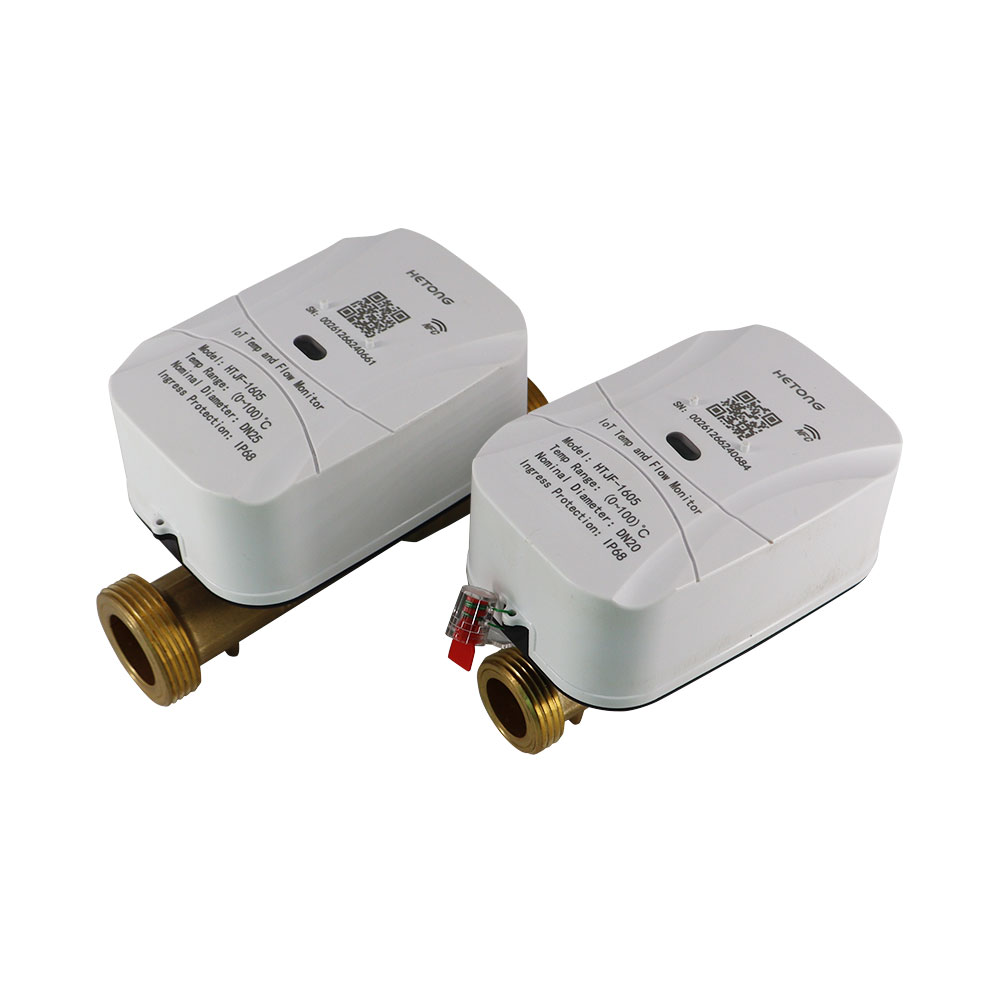
When installing Heat Meters, it’s important to consider the type of meter:
| Heat Meter Type | Installation Notes | Best Use Case |
|---|---|---|
| Mechanical (e.g., turbine or piston) | Requires manual calibration and regular maintenance | Simple residential systems |
| Ultrasonic Heat Meters | Non-invasive sensors, fewer moving parts, longer lifespan | Modern systems needing high accuracy |
| Electromagnetic Heat Meters | Needs conductive fluid, stable flow conditions | Industrial applications |
| Smart Heat Meters with IoT | Includes communication modules; installation includes network setup | Intelligent Heat Meter systems and remote monitoring |
Each type demands different installation procedures and setup considerations.
Recent developments have influenced how professionals approach Heat Meter installation:
Plug-and-Play Smart Heat Meters: Simplified installation with pre-calibrated units and wireless data transmission reduces onsite work.
Remote Configuration: IoT-enabled meters allow technicians to perform remote setup and diagnostics, minimizing physical intervention.
Advanced Sensor Technology: Ultrasonic and clamp-on sensors improve installation flexibility without cutting pipes.
Modular Intelligent Heat Meter Systems: Scalable systems support integration of multiple meters, optimizing energy management for larger buildings.
These trends are transforming installation from a purely mechanical task to a data-driven process.
Proper installation not only affects immediate measurement accuracy but also influences long-term system performance. Data collected from correctly installed meters enables:
Early detection of system leaks or malfunctions
Efficient energy usage analysis
Preventive maintenance scheduling
Example: Buildings that implemented smart Heat Meter installation with remote monitoring reported about a 15% reduction in energy wastage within the first year.
| Environment | Special Considerations |
|---|---|
| Residential Buildings | Focus on compact meters and user-friendly data access |
| Commercial Complexes | Ensure scalability and network stability in intelligent systems |
| Industrial Facilities | Choose durable meters resistant to harsh conditions |
| Retrofitting Projects | Use clamp-on or non-invasive meters to avoid major plumbing work |
Tailoring the installation approach to the environment maximizes effectiveness.
Installation is just the start. Proper calibration immediately after installation ensures meter accuracy. Regular Heat Meter maintenance is vital to sustain performance, including:
Periodic sensor cleaning
Firmware updates for smart meters
Verification of data transmission integrity
Manufacturers typically provide detailed guidelines, but professional support is often recommended for complex systems.
What is the most critical step in Heat Meter installation?
Correct installation of flow and temperature sensors, including orientation and placement, is crucial for accurate heat measurement.
Can I install a Heat Meter myself?
While some Heat Meter setup guides suggest DIY installation, professional installation is recommended to ensure compliance and accuracy, especially for complex or large systems.
How often should Heat Meters be calibrated?
Typically, calibration is advised annually or according to manufacturer recommendations to maintain measurement precision.
What tools are necessary for Heat Meter installation?
Basic plumbing tools, calibration devices, and depending on the meter type, wireless communication configuration tools are necessary.
Are there Heat Meter models easier to install than others?
Yes, smart plug-and-play meters with wireless communication are designed for easier and quicker installation.
Proper Heat Meter installation is foundational to achieving accurate heat measurement and energy efficiency. Following a detailed Heat Meter setup guide ensures optimal placement, calibration, and integration into intelligent systems, minimizing errors and maintenance needs. Advances in smart metering technologies continue to simplify installation and improve long-term value.
Partnering with experienced manufacturers like Shandong Hetong Information Technology Co., Ltd. offers reliable, certified Heat Meters and technical expertise, ensuring your installation project delivers precision, efficiency, and durability. Whether for new builds or retrofit projects, understanding installation nuances is key to unlocking the full potential of your heating system.
This guide aims to empower beginners and professionals alike with the knowledge and tools needed for successful Heat Meter installation, paving the way for smarter energy management and sustainable heating solutions.


