
Views: 0 Author: Site Editor Publish Time: 2026-01-22 Origin: Site
Heat Meters play a critical role in modern heating systems, especially as energy efficiency, transparent billing, and smart energy management become global priorities. Whether used in residential buildings, commercial properties, or industrial heating networks, Heat Meters provide accurate data on thermal energy consumption. However, like any precision instrument, Heat Meters can experience faults, inaccuracies, or operational issues over time.
This in-depth article focuses on the most common Heat Meter problems, practical Heat Meter troubleshooting methods, and proven Heat Meter maintenance strategies. The content is designed to closely match Google user search intent, combining real-world technical issues, data analysis, product comparison, and the latest industry trends. By understanding how Heat Meters fail—and how to fix or prevent those failures—you can extend equipment lifespan, ensure billing accuracy, and optimize heating efficiency.
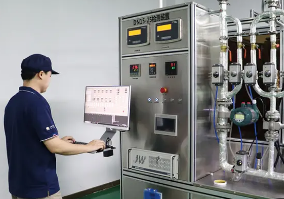 Before diving into specific Heat Meter problems, it is essential to understand how Heat Meters operate in real heating environments. Heat Meters measure thermal energy by combining flow measurement with temperature difference data between supply and return pipes. Any disruption to these parameters can result in errors.
Common external factors influencing Heat Meters include:
Water quality issues
Installation errors
Electrical or communication failures
Environmental conditions
Aging components
As Heat Meters become more advanced—especially ultrasonic and IoT-enabled models—the complexity of potential Heat Meter problems also increases. However, modern design trends focus on minimizing maintenance and simplifying Heat Meter troubleshooting.
Below is a structured list of the most frequently reported Heat Meter problems across residential and commercial installations.
One of the most serious Heat Meter problems is inaccurate energy measurement. This can lead to disputes, incorrect billing, and loss of trust.
Possible causes:
Air bubbles in the pipeline
Incorrect pipe diameter selection
Sensor drift due to aging
Poor water quality
Heat Meter troubleshooting tip:
Check system pressure, remove air from the system, and verify that the Heat Meters are installed according to manufacturer specifications.
A blank or non-responsive display is a common user complaint and a clear sign of Heat Meter problems.
Possible causes:
Battery depletion
Power supply failure
Internal circuit damage
Heat Meter troubleshooting tip:
Inspect battery status first. Many modern Heat Meters are designed with long-life batteries (10+ years), but environmental extremes can shorten lifespan.
Smart Heat Meters often rely on M-Bus, wireless M-Bus, LoRaWAN, or NB-IoT. Communication loss is one of the fastest-growing Heat Meter problems due to increased digitalization.
Possible causes:
Signal interference
Incorrect network configuration
Firmware incompatibility
Heat Meter troubleshooting tip:
Verify communication settings and update firmware if supported. In advanced Heat Meter maintenance, remote diagnostics significantly reduce downtime.
When Heat Meters show zero consumption despite active heating, users often suspect major faults.
Possible causes:
Closed valves
Blocked strainers
Flow sensor malfunction
Heat Meter troubleshooting tip:
Inspect mechanical components and ensure flow direction matches installation requirements.
Temperature sensors are vital to Heat Meters accuracy. Faulty sensors directly affect energy calculations.
Possible causes:
Poor sensor contact
Incorrect sensor placement
Damaged cables
Heat Meter troubleshooting tip:
Re-seat sensors and ensure proper thermal contact. Preventive Heat Meter maintenance greatly reduces sensor-related issues.
Effective Heat Meter troubleshooting follows a structured diagnostic process rather than guesswork. The table below summarizes a recommended approach.
| Step | Action | Purpose |
|---|---|---|
| Visual Inspection | Check wiring, seals, display | Identify obvious faults |
| Data Review | Compare historical data | Detect abnormal trends |
| Functional Test | Verify flow & temperature | Confirm sensor operation |
| Communication Test | Check data transmission | Resolve network issues |
| Calibration Check | Compare with reference | Validate accuracy |
This systematic Heat Meter troubleshooting approach is widely used by professional service teams.
One of the most powerful tools for diagnosing Heat Meter problems is data analysis. Modern Heat Meters store large amounts of historical consumption data.
Such deviations often signal hidden Heat Meter problems, such as sensor drift or air in the system. Proactive Heat Meter maintenance helps detect these anomalies early.
Preventive Heat Meter maintenance is the most cost-effective way to reduce failures. Well-maintained Heat Meters deliver stable performance over long lifecycles.
Regular visual inspections
Periodic data validation
Pipeline flushing
Firmware updates (if applicable)
Scheduled calibration
Unlike reactive repairs, preventive Heat Meter maintenance minimizes system downtime and customer complaints.
Different Heat Meters technologies show varying susceptibility to problems. Understanding these differences helps users select more reliable solutions.
| Technology | Common Problems | Maintenance Level | Reliability |
|---|---|---|---|
| Mechanical Heat Meters | Wear, clogging | High | Medium |
| Ultrasonic Heat Meters | Signal interference | Low | High |
| Electromagnetic Heat Meters | Power sensitivity | Medium | High |
Ultrasonic Heat Meters dominate modern installations due to fewer moving parts and simplified Heat Meter maintenance.
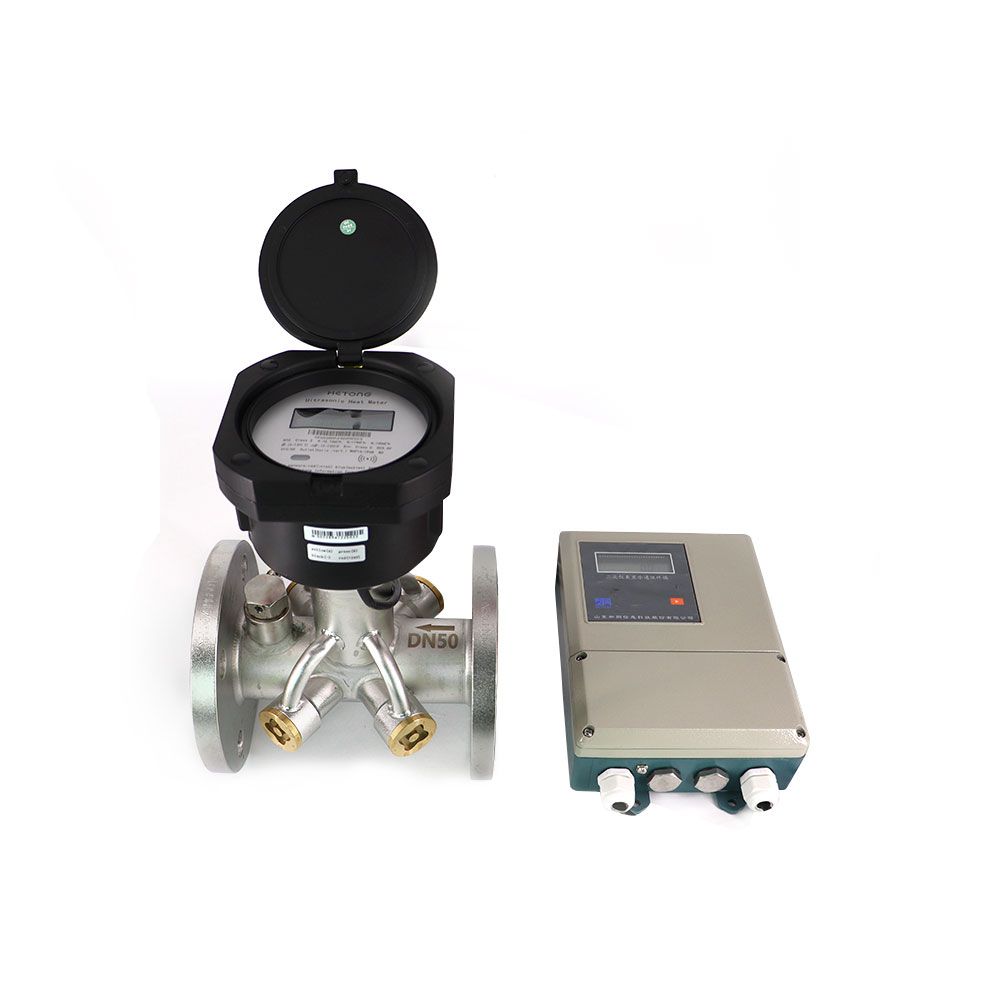
Improper installation remains a leading cause of Heat Meter problems, even with high-quality equipment.
Incorrect flow direction
Insufficient straight pipe length
Poor grounding
Inadequate insulation
Correct installation significantly reduces the need for future Heat Meter troubleshooting.
External conditions can accelerate Heat Meter problems:
Extreme temperatures
High humidity
Corrosive environments
Advanced Heat Meter maintenance plans consider these factors during system design and installation.
Not all Heat Meters are created equal. Manufacturing standards, testing, and calibration capabilities strongly influence long-term performance. For example, manufacturers with accredited testing laboratories and extensive experience in ultrasonic and IoT Heat Meters, such as long-established high-tech enterprises in China’s metering industry, are better positioned to minimize Heat Meter problems through robust design and strict quality control.
The latest generation of Heat Meters supports remote diagnostics, significantly improving Heat Meter troubleshooting efficiency.
Early fault detection
Remote firmware updates
Reduced on-site maintenance costs
Real-time alerts
These trends are reshaping how Heat Meter maintenance is performed globally.
Failing to address Heat Meter problems has direct financial consequences:
Revenue loss from inaccurate billing
Increased service calls
Regulatory non-compliance
Reduced customer satisfaction
Proactive Heat Meter maintenance delivers measurable cost savings over time.
To maximize lifespan and accuracy, follow these best practices:
Choose certified Heat Meters
Work with experienced installers
Implement routine Heat Meter maintenance
Use data analytics for early detection
Keep firmware and communication settings updated
These measures reduce emergency Heat Meter troubleshooting and extend equipment life.
What are the most common Heat Meter problems?
The most common Heat Meter problems include inaccurate readings, communication failures, display issues, and temperature sensor faults.
How often should Heat Meter maintenance be performed?
Basic Heat Meter maintenance should be performed annually, while data monitoring can be continuous for smart Heat Meters.
Can Heat Meter troubleshooting be done remotely?
Yes, many modern Heat Meters support remote Heat Meter troubleshooting through IoT communication protocols.
Do ultrasonic Heat Meters have fewer problems?
Ultrasonic Heat Meters generally experience fewer mechanical issues and require less Heat Meter maintenance than traditional models.
When should a Heat Meter be replaced instead of repaired?
If Heat Meter problems persist after calibration, sensor replacement, and troubleshooting—especially beyond the certified lifespan—replacement is often more cost-effective.
Understanding Heat Meter problems and applying structured Heat Meter troubleshooting methods is essential for maintaining accurate, reliable heating systems. With proper Heat Meter maintenance, modern Heat Meters can operate efficiently for over a decade, delivering transparent energy data and supporting smarter energy use.
As heating systems evolve toward digitalization and sustainability, the role of advanced, well-maintained Heat Meters will only grow. By combining preventive maintenance, data analysis, and reliable technology, users can minimize downtime, reduce costs, and ensure long-term performance from their Heat Meters.


