
Views: 0 Author: Site Editor Publish Time: 2026-01-30 Origin: Site
In today’s world, energy efficiency and cost savings are becoming priorities for homeowners, property managers, and businesses alike. One of the key tools driving this transformation is the Heat Meter—especially the advanced smart Heat Meters designed to optimize heating systems and promote sustainable energy use. Installing energy saving Heat Meters in residential and commercial properties is not just about tracking consumption; it’s about creating an intelligent Heat Meter system that delivers real-time insights, precise control, and long-term savings.
This article explores the significant benefits of installing a smart Heat Meter for energy saving, covering the latest technologies, practical advantages, data analysis, and comparisons. Whether you are considering upgrading an existing heating system or installing one for a new property, understanding how Heat Meters contribute to energy efficiency is essential.
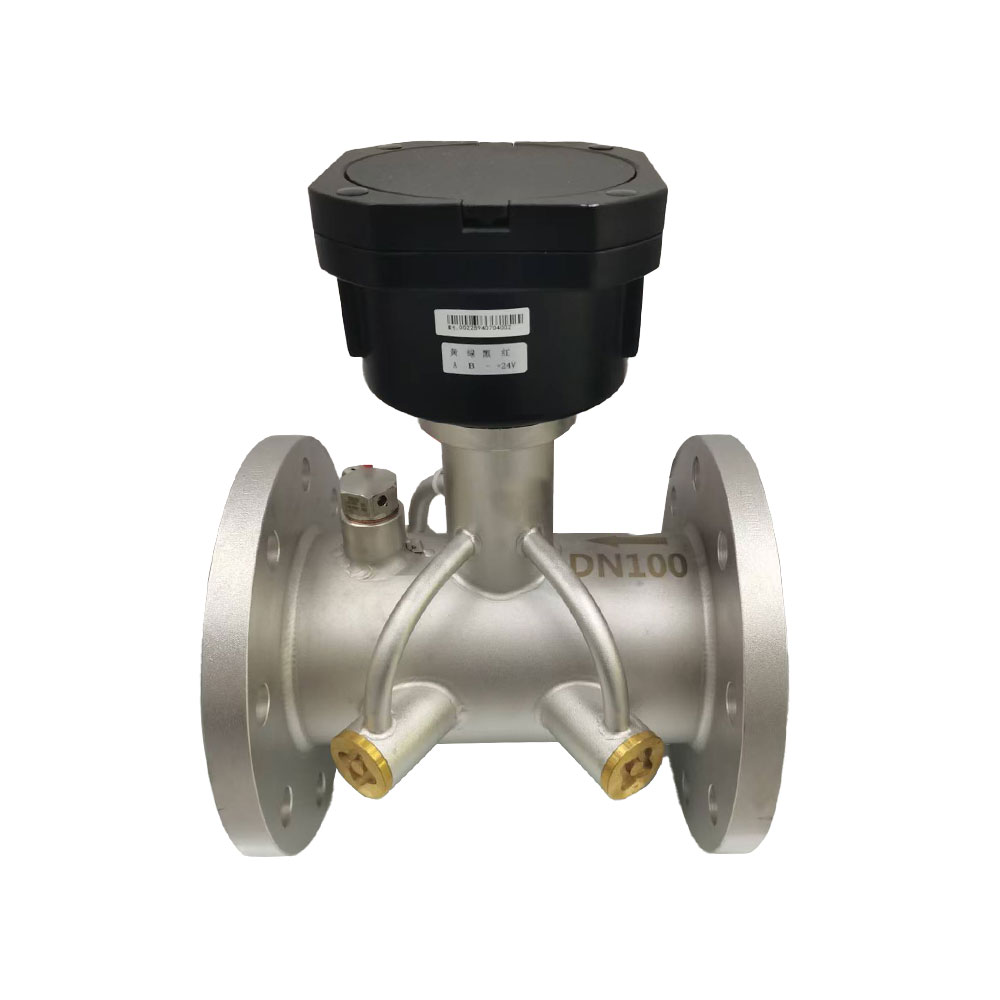
Heat Meters measure the amount of thermal energy used by a heating system, usually by recording the flow of a heat-transfer fluid (like water) and the temperature difference between supply and return pipes.
Smart Heat Meters take this basic function further by integrating:
Wireless communication modules
Remote data reading and monitoring
Advanced data analytics
Compatibility with IoT and building management systems
Together, a network of smart Heat Meters forms an intelligent Heat Meter system, enabling centralized control, automated reporting, and more efficient energy use.
Rising energy costs, stricter environmental regulations, and increased consumer awareness have driven demand for more efficient heating solutions. Traditional heat metering methods often fall short in delivering transparency and actionable data. Energy saving Heat Meters fill this gap by providing precise, real-time data to both users and service providers.
Key motivators include:
Reducing unnecessary heat waste
Enabling fair billing based on actual consumption
Supporting energy-saving behavior through better insights
Facilitating regulatory compliance and carbon footprint reduction
Unlike conventional meters that require manual reading and periodic reporting, smart Heat Meters provide instant access to precise heating consumption data. This accuracy helps detect anomalies, prevent overuse, and promote efficient heating schedules.
By integrating into an intelligent Heat Meter system, these meters allow users to:
Identify peak consumption periods
Optimize heating settings remotely
Detect leaks or system malfunctions early
This leads to measurable reductions in heating bills, sometimes up to 20-30%, contributing to overall energy savings.
In multi-unit residential or commercial buildings, smart Heat Meters enable fair and transparent billing based strictly on individual consumption, eliminating disputes and encouraging responsible use.
An intelligent Heat Meter system supports green building certifications by providing verifiable data on energy use, a critical factor in sustainable property management.
With remote monitoring capabilities, issues can be detected and resolved without costly on-site visits, minimizing downtime and maintenance expenses.
Modern energy saving Heat Meters easily integrate with home automation and building management platforms, enabling holistic energy management strategies.
| Feature | Traditional Heat Meters | Smart Heat Meters |
|---|---|---|
| Data Access | Manual Reading | Remote and Real-time |
| Accuracy | Good | High with advanced sensors |
| Maintenance | Manual and frequent | Remote diagnostics reduce cost |
| Energy Saving Capability | Limited | Optimized through analytics |
| Integration | Standalone | Integrated with intelligent systems |
| User Engagement | Low | High with detailed reports |
The transition to smart Heat Meters is a critical step toward modern, energy-efficient heating solutions.
The Heat Meters industry is rapidly evolving with:
Ultrasonic and electromagnetic measurement technologies for enhanced accuracy
Use of IoT communication protocols such as NB-IoT, LoRaWAN, and wireless M-Bus
Integration of AI-powered analytics for predictive maintenance and anomaly detection
Development of ultra-low-power energy saving Heat Meters designed to extend battery life and minimize environmental impact
These advances make smart metering more reliable, user-friendly, and impactful on energy conservation efforts.
To fully realize the benefits of smart Heat Meters, proper installation and system integration are vital. Important factors include:
Correct sizing and placement according to pipe diameter and flow rates
Ensuring compatibility with existing building automation or management systems
Proper calibration and certification to meet regional standards
Implementation of a robust intelligent Heat Meter system for centralized data handling
Choosing suppliers with proven technical expertise and accreditation ensures higher reliability and smoother operation.
Shandong Hetong Information Technology Co., Ltd. is a prominent manufacturer specializing in ultrasonic water meters, IoT water meters, and ultrasonic Heat Meters. With over 15 years of experience, CNAS accreditation, and MID certification, Hetong offers reliable, high-quality smart Heat Meters and solutions widely adopted in residential and industrial applications. Their comprehensive product range supports diameters DN15 to DN500, facilitating tailored installations for diverse energy-saving projects worldwide.
One often overlooked benefit is how detailed feedback influences user behavior. When consumers receive clear, frequent data about their heat usage, they tend to adopt more energy-conscious habits, such as:
Lowering thermostat settings when rooms are unoccupied
Scheduling heating during off-peak hours
Promptly reporting system inefficiencies
This feedback loop is a major contributor to energy savings beyond technical optimization.
While the upfront cost of installing smart Heat Meters may be higher than traditional meters, the ROI can be substantial due to:
Reduced energy consumption
Lower maintenance and operational costs
Decreased disputes and billing errors
Compliance with energy efficiency regulations and incentives
Typical ROI periods range from 2 to 5 years, depending on building type and usage patterns.
What distinguishes smart Heat Meters from traditional Heat Meters?
Smart Heat Meters offer real-time data access, remote monitoring, and integration with intelligent systems, unlike traditional meters which require manual reading and offer limited interactivity.
How do energy saving Heat Meters help reduce heating bills?
By providing detailed consumption data and enabling optimized heating schedules, energy saving Heat Meters help users avoid unnecessary heating and identify inefficiencies.
What is an intelligent Heat Meter system?
An intelligent Heat Meter system is a network of interconnected smart Heat Meters managed centrally, often with automated data analytics and remote control capabilities.
Can smart Heat Meters be retrofitted to existing heating systems?
Yes, many smart meters are designed for retrofit installations with minimal disruption, especially those using wireless communication protocols.
How does data from smart Heat Meters support sustainable building management?
Detailed consumption data helps building managers optimize heating, meet regulatory requirements, and achieve certifications like LEED or BREEAM.
The benefits of installing a smart Heat Meter for energy saving extend far beyond accurate measurement. From real-time monitoring and remote diagnostics to encouraging sustainable habits and enabling intelligent building management, smart Heat Meters are central to modern energy strategies. Combined into an intelligent Heat Meter system, they offer unprecedented control, transparency, and efficiency—making them indispensable in today’s push for greener, smarter, and more cost-effective heating solutions.
Manufacturers like Shandong Hetong Information Technology Co., Ltd. provide cutting-edge products that reflect these trends, supporting global efforts toward smarter energy use and sustainability. Investing in energy saving Heat Meters today is a key step toward a more efficient and environmentally responsible tomorrow.


