
Views: 0 Author: Site Editor Publish Time: 2026-01-19 Origin: Site
Choosing the right Heat Meters for a modern household is no longer a niche technical decision—it is a practical, financial, and even environmental choice. As energy prices rise and governments promote energy efficiency, Heat Meters have become a core component of transparent heating billing and smart home energy management. Whether you live in an apartment building, a single-family home, or a mixed-use residential complex, selecting appropriate Heat Meters can significantly impact comfort, cost control, and long-term sustainability.
This comprehensive guide will walk you through everything you need to know about Heat Meters, including how they work, key types, selection criteria, data analysis, product comparisons, and the latest industry trends. If you are searching for residential Heat Meters, a practical Heat Meter selection guide, or insights into home heating Heat Meters, this article is designed to align precisely with your needs and real Google user search intent.
Heat Meters are devices used to measure thermal energy transferred in heating or cooling systems. Unlike simple flow meters, Heat Meters calculate energy consumption by measuring both the flow rate of the heat-transfer medium (usually water) and the temperature difference between the supply and return pipes.
For homeowners and property managers, Heat Meters offer several tangible benefits:
Accurate billing based on actual heat consumption
Fair cost allocation in multi-unit buildings
Improved energy efficiency awareness
Support for energy-saving behavior
Compliance with modern energy regulations
In many regions, installing Heat Meters is becoming mandatory in residential buildings, particularly for centralized heating systems. This makes residential Heat Meters an increasingly common feature in new developments and retrofitting projects.
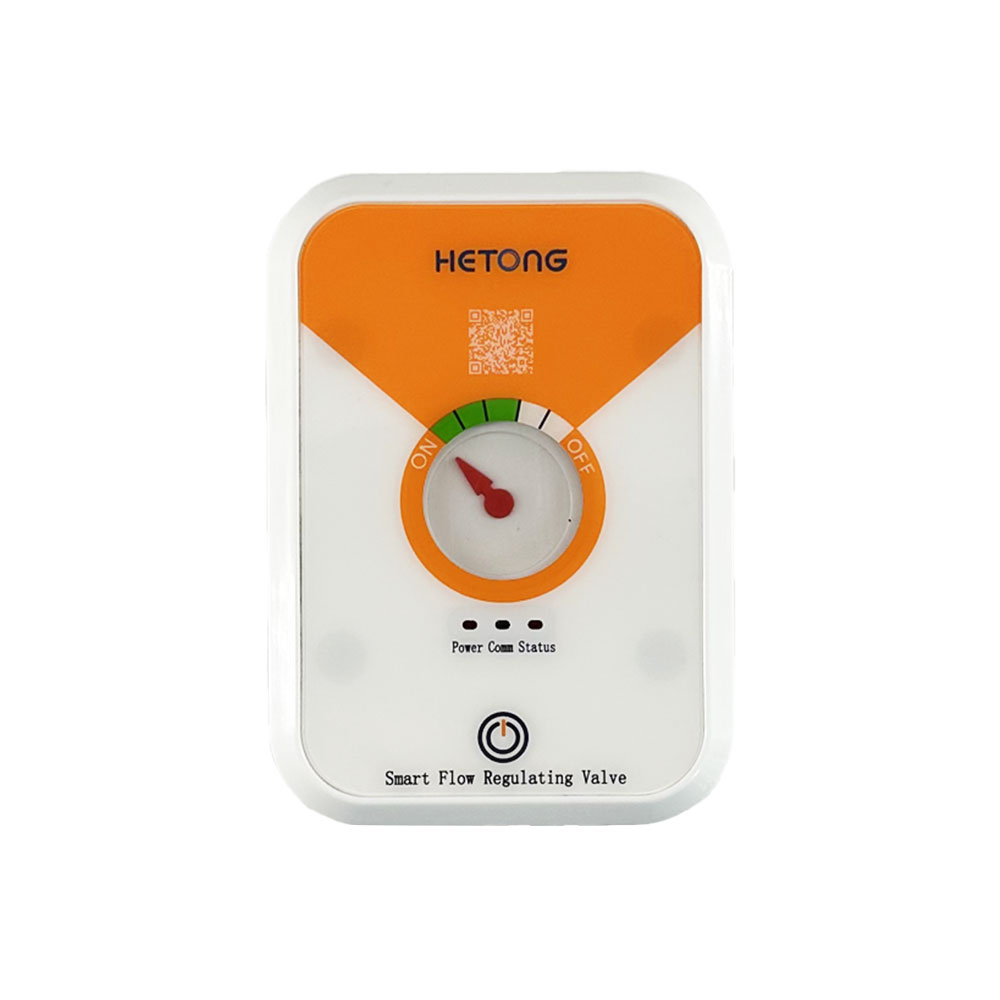
At their core, Heat Meters consist of three main components:
Flow Sensor – Measures the volume of water passing through the system
Temperature Sensors – Installed on supply and return pipes
Calculator Unit – Computes energy consumption based on flow and temperature difference
The basic formula used by Heat Meters is:
Heat Energy = Flow × Temperature Difference × Heat Capacity
Modern Heat Meters, especially ultrasonic models, can perform this calculation with extremely high precision, making them ideal for home heating Heat Meters applications.
When choosing Heat Meters, understanding the different technologies available is critical. Below is a comparison table commonly used in any reliable Heat Meter selection guide.
| Type of Heat Meter | Measurement Method | Accuracy | Maintenance | Typical Use |
|---|---|---|---|---|
| Mechanical Heat Meters | Turbine/impeller | Medium | Higher | Older residential systems |
| Ultrasonic Heat Meters | Ultrasonic transit-time | High | Low | Modern residential Heat Meters |
| Electromagnetic Heat Meters | Magnetic field | Very High | Medium | Industrial & large residential |
| Vortex Heat Meters | Vortex shedding | Medium | Medium | Commercial heating |
For most homeowners, ultrasonic Heat Meters are now the preferred choice due to their durability, accuracy, and suitability for home heating Heat Meters in smart systems.
Selecting the right Heat Meters requires more than just comparing prices. A structured Heat Meter selection guide focuses on technical compatibility, performance, and long-term value.
Before purchasing Heat Meters, identify whether your heating system is:
Centralized or decentralized
Radiator-based or underfloor heating
High-temperature or low-temperature system
Residential Heat Meters must match the specific operating conditions of your system.
High-quality Heat Meters comply with international standards such as EN 1434 and MID (Measuring Instruments Directive). Certified Heat Meters ensure reliable billing and legal compliance.
Choosing Heat Meters with the correct DN size (e.g., DN15–DN25 for apartments) is essential. Incorrect sizing can lead to inaccurate readings or system inefficiency.
Modern Heat Meters increasingly support:
M-Bus
Wireless M-Bus
LoRaWAN
NB-IoT
These features are especially valuable for home heating Heat Meters integrated into smart home ecosystems.
One of the biggest advantages of installing Heat Meters is access to real consumption data. With accurate Heat Meters, homeowners can analyze:
Daily and monthly heating trends
Peak usage times
Efficiency of insulation upgrades
Impact of behavioral change
Below is a simplified product comparison often seen in a professional Heat Meter selection guide.
| Feature | Basic Heat Meters | Advanced Heat Meters |
|---|---|---|
| Accuracy | Standard | High precision |
| Data Output | Manual reading | Remote & IoT |
| Installation Cost | Lower | Moderate |
| Long-term Savings | Medium | High |
| Ideal For | Small homes | Smart home heating Heat Meters |
Investing in advanced Heat Meters may cost more upfront but often results in better long-term savings and convenience.
The Heat Meters market has evolved rapidly in recent years. Staying updated with trends ensures future-proof decisions.
Ultrasonic Heat Meters have no moving parts, making them ideal for residential Heat Meters with long service life and minimal maintenance.
Smart Heat Meters now integrate seamlessly with energy management platforms, enabling:
Real-time monitoring
Remote billing
Predictive maintenance
Governments increasingly rely on Heat Meters data to support carbon reduction policies. Accurate Heat Meters help households align with environmental goals.
Even the best Heat Meters require correct installation. Key points include:
Proper sensor placement
Correct orientation
System flushing before installation
Maintenance for ultrasonic Heat Meters is minimal, which is why they dominate the home heating Heat Meters segment today.
When selecting Heat Meters, the manufacturer’s technical capability matters. For example, industry-leading companies like Shandong Hetong Information Technology Co., Ltd., established in 2011, focus on advanced ultrasonic and IoT Heat Meters with accredited testing laboratories and international certifications, ensuring reliability for both domestic and global markets. This kind of expertise supports the long-term accuracy and performance homeowners expect from modern Heat Meters.
From a financial perspective, Heat Meters often pay for themselves within a few heating seasons.
Initial investment: Moderate
Energy savings: 10–30%
Increased property value
Transparent billing
For residential Heat Meters, the return on investment is particularly attractive in multi-family housing.
Avoid these pitfalls:
Choosing based on price alone
Ignoring communication requirements
Installing incorrectly sized Heat Meters
Overlooking certification
A structured Heat Meter selection guide helps homeowners avoid these costly errors.
What are Heat Meters used for in homes?
Heat Meters are used to measure the actual thermal energy consumed by a household’s heating system, enabling accurate billing and energy management.
Are residential Heat Meters mandatory?
In many regions, residential Heat Meters are required by law, especially in apartment buildings with centralized heating systems.
Which Heat Meters are best for home heating?
Ultrasonic home heating Heat Meters are widely considered the best due to high accuracy, low maintenance, and smart connectivity.
How long do Heat Meters last?
High-quality Heat Meters typically last 10–15 years, depending on usage conditions and technology type.
Can Heat Meters be integrated with smart home systems?
Yes, modern Heat Meters often support IoT protocols, making them ideal for integration into smart home energy platforms.
Selecting the right Heat Meters is a strategic decision that affects comfort, cost control, and sustainability. By understanding system requirements, comparing technologies, analyzing data, and following a clear Heat Meter selection guide, homeowners can confidently choose Heat Meters that meet both current and future needs.
Whether you are upgrading an existing system or planning a new installation, investing in reliable residential Heat Meters and advanced home heating Heat Meters is one of the smartest steps you can take toward efficient and transparent energy use.


