
Views: 0 Author: Site Editor Publish Time: 2025-10-30 Origin: Site
Ultrasonic water meters are advanced devices that utilize high-frequency sound waves to measure water flow with exceptional accuracy. Unlike traditional mechanical meters, which rely on moving parts, ultrasonic meters operate without any mechanical components, ensuring long-term durability and minimal maintenance. By measuring the time it takes for ultrasonic pulses to travel through water in a pipe, these meters provide precise readings even at very low flow rates. Their innovative design makes them ideal for various applications, including residential, industrial, and smart city water management systems.
Ultrasonic water meters use sound waves above 20 kHz, inaudible to humans, to measure water flow. These high-frequency waves travel through water, and their speed changes depending on how fast the water moves. This unique property allows the meter to calculate flow rate precisely by measuring the time it takes for ultrasonic pulses to travel within the pipe.
Ultrasonic waves have excellent directionality, meaning they focus energy in a specific path. This helps the meter send and receive signals accurately, even after multiple reflections inside the pipe. Unlike light or ordinary sound waves, ultrasonic waves pass through water with minimal loss and are less affected by noise, making them ideal for water flow measurement.
Two main methods exist for ultrasonic water metering: the Transit Time Method and the Doppler Effect Method.
● Transit Time Method: The most common technique. It measures the difference in travel time of ultrasonic pulses sent upstream and downstream. When water flows, the pulse traveling downstream moves faster than the one going upstream. The meter calculates flow velocity based on this time difference. This method works best with clean water, where particles or bubbles are minimal.
● Doppler Effect Method: This method relies on the frequency change of ultrasonic waves reflected by particles or bubbles in the water. It measures the frequency shift caused by moving suspended particles to estimate flow velocity. The Doppler method suits water with impurities, like wastewater or industrial fluids, where the transit time method might struggle.
Ultrasonic transducers are the core components that convert electrical signals into ultrasonic waves and vice versa. They are typically mounted on the pipe, either inside or outside, depending on the meter design.
● The transmitter transducer sends ultrasonic pulses through the water.
● The receiver transducer detects the pulses after they travel through the pipe.
In the transit time method, two transducers work together—one upstream and one downstream. They measure the time difference of ultrasonic wave propagation. In the Doppler method, a single transducer often sends and receives signals, analyzing frequency changes.
Transducers are made from piezoelectric materials that vibrate at ultrasonic frequencies when electrically excited. Their precise operation ensures the meter's accuracy and reliability. Proper alignment and coupling to the pipe are essential to avoid signal loss and ensure consistent measurements.
Ensure ultrasonic transducers are correctly aligned and securely coupled to the pipe surface during installation to maintain accurate flow measurements and minimize signal interference.
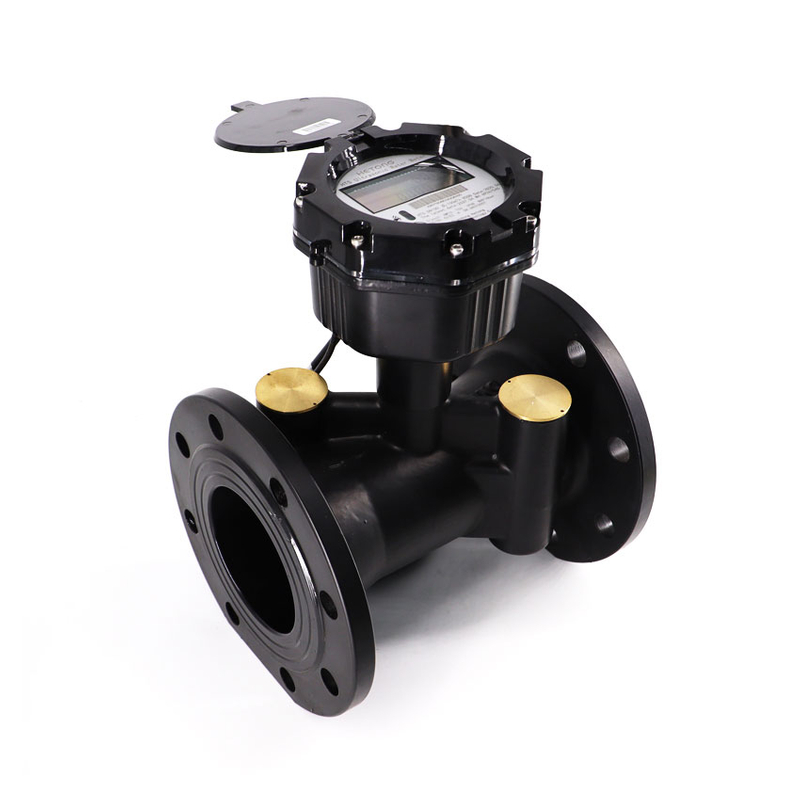
Ultrasonic water meters deliver highly accurate measurements by precisely calculating the time difference of ultrasonic pulses traveling upstream and downstream. This timing can be measured at the nanosecond level, allowing detection of even very low flow rates, such as a single liter per hour. This sensitivity greatly reduces water loss caused by unmeasured drips or leaks. Unlike mechanical meters, ultrasonic meters do not rely on moving parts, so their accuracy remains stable over time without degradation from wear or friction.
Without gears, impellers, or other mechanical components, ultrasonic meters enjoy a longer lifespan. Mechanical meters typically last 6 to 8 years before wear affects their performance. Ultrasonic meters maintain consistent accuracy for many years since they avoid mechanical wear and tear. Their design also resists blockage or damage from impurities like sand or rust, making them suitable for use in water with varying qualities. This durability reduces maintenance costs and downtime.
The internal structure of ultrasonic water meters is simple and unobstructed, causing very little resistance to water flow. Mechanical meters, by contrast, create pressure loss due to rotating impellers or gears. This minimal pressure drop helps maintain system efficiency and reduces energy costs in pumping water. The absence of moving parts also means ultrasonic meters do not require lubricants or mechanical servicing, lowering operational expenses and improving reliability.
Choose ultrasonic water meters for applications demanding precise, stable flow measurement and low maintenance, especially where long-term durability and minimal pressure loss are critical.
Ultrasonic water meters have become popular in residential and commercial buildings due to their high accuracy and reliability. They measure water consumption precisely, even at very low flow rates, helping detect leaks early. This saves water and reduces bills. In apartment complexes or office buildings, ultrasonic meters serve as master meters, monitoring total water use and identifying irregularities quickly. Their ability to measure both forward and reverse flow helps prevent water backflow problems that can occur in complex plumbing systems. Plus, their non-mechanical design means fewer maintenance issues, ideal for busy commercial settings.
Industries often require precise water measurement for processes like cooling, chemical mixing, or cleaning. Ultrasonic water meters fit well here because they handle a wide range of flow rates and water qualities, including some with impurities. Their resistance to wear and blockage ensures long-term performance in harsh environments. In agriculture, these meters help monitor irrigation water use, promoting water conservation and efficient crop management. Accurate data supports sustainable farming practices, reducing waste and improving yields. Some meters also provide real-time monitoring, allowing farmers and plant operators to respond quickly to changes or leaks.
Ultrasonic water meters play a crucial role in smart city initiatives. They provide real-time data on water usage, pressure, and temperature, enabling utilities to manage resources efficiently. This data helps detect leaks, bursts, or unusual consumption patterns early, reducing water loss and infrastructure damage. Integration with smart networks allows remote monitoring and control, lowering operational costs and improving service quality. Cities can use this data to plan infrastructure upgrades and promote water-saving programs. Ultrasonic meters transform water management from reactive to proactive, supporting sustainable urban development.
In smart city projects, leverage ultrasonic water meters’ real-time data and bidirectional flow measurement to enhance leak detection and optimize water distribution networks.
Ultrasonic water meters differ greatly from mechanical ones. Mechanical meters use moving parts like gears and impellers to measure flow. These parts can wear down, causing accuracy to drop over time. They also create pressure loss as water pushes against the moving components. Ultrasonic meters have no moving parts. They measure flow by sending sound waves through water and calculating the time difference. This method keeps accuracy stable for years. Plus, ultrasonic meters cause almost no pressure loss, helping maintain system efficiency.
Mechanical meters often struggle with very low flow rates. They usually start measuring at around 6-7 liters per hour. Ultrasonic meters can detect flow as low as 1 liter per hour. This sensitivity helps catch leaks early and reduce water waste. Mechanical meters can be affected by magnetic fields, which may interfere with their readings. Ultrasonic meters resist such interference. However, ultrasonic meters require power to operate, while mechanical ones do not.
Both ultrasonic and electromagnetic meters offer high accuracy and no moving parts. Electromagnetic meters measure flow using magnetic fields and the electrical conductivity of water. They work best with conductive liquids and require the pipe to be full. Ultrasonic meters use sound waves, so they can work in a wider range of water qualities but may be sensitive to bubbles or particles.
Electromagnetic meters usually have nearly zero pressure loss, similar to ultrasonic meters. Both types support smart features like remote reading and data logging. However, electromagnetic meters tend to cost more and need a power supply, just like ultrasonic meters. Ultrasonic meters can be easier to install because some models clamp on the outside of the pipe, avoiding pipe cutting.
Selecting the right meter depends on your application:
● For residential use: Ultrasonic meters offer high accuracy, low maintenance, and leak detection. Mechanical meters are cheaper but less precise.
● For industrial settings: Electromagnetic meters handle conductive or dirty water well. Ultrasonic meters work well for clean or moderately dirty water and offer flexible installation.
● For water utilities and smart cities: Ultrasonic meters provide real-time data and bidirectional flow measurement, ideal for leak detection and network management.
Consider factors like water quality, flow range, installation ease, and budget. Ultrasonic meters excel where accuracy, durability, and low pressure loss matter most. Mechanical meters suit simple, low-cost needs. Electromagnetic meters fit specialized industrial uses requiring high accuracy with conductive fluids.
Evaluate water quality, flow conditions, and maintenance capabilities carefully to choose between ultrasonic, mechanical, or electromagnetic water meters for optimal performance and cost-efficiency.
Installing an ultrasonic water meter correctly is crucial for accurate measurements. First, ensure the pipe is full of water during installation, as air gaps cause errors. The meter should be mounted on a straight section of pipe, free from bends, valves, or fittings nearby that could disturb flow. Typically, a minimum straight length of 10 times the pipe diameter upstream and 5 times downstream is recommended.
Align the ultrasonic transducers carefully. For clamp-on meters, clean the pipe surface thoroughly and apply a coupling gel to improve signal transmission. Secure the transducers firmly to avoid movement or vibration that can disrupt readings. Avoid installing meters on pipes with linings like plastic, concrete, or fiberglass, as these materials can block ultrasonic signals.
Temperature and vibration also affect installation. Place meters away from extreme heat sources or mechanical vibrations. If the pipe experiences large temperature swings, allow for thermal expansion to prevent loosening of transducers.
Several factors influence ultrasonic meter performance:
● Water quality: Excessive air bubbles or suspended solids can weaken signals or cause measurement noise. Transit time meters work best in clean water, while Doppler types tolerate some impurities.
● Pipe material and diameter: Metals like steel or copper conduct ultrasound better than plastic or concrete-lined pipes. Larger diameters may require different transducer spacing or power settings.
● Flow profile: Turbulence or swirl from valves or bends distorts flow velocity, reducing accuracy. Proper straight pipe lengths help stabilize flow.
● Power supply: Ultrasonic meters need stable power for electronics. Battery-powered models require regular checks to avoid downtime.
● Signal interference: External electrical noise or magnetic fields may affect readings, though ultrasonic meters generally resist magnetic interference better than mechanical types.
Ultrasonic water meters require minimal maintenance compared to mechanical meters, but some care ensures long-term reliability:
● Regular inspection: Check transducer mounting and coupling gel condition. Replace gel if dry or cracked.
● Clean pipe surface: Remove dirt, rust, or scale buildup that might block signals.
● Monitor battery status: For battery-powered units, replace batteries before depletion.
● Firmware updates: Keep meter software up to date for optimal performance and new features.
● Leak detection: Use meter alarms or data trends to spot leaks or anomalies early.
● Calibration checks: Periodically verify meter accuracy against a standard, especially in critical applications.
Following these guidelines helps maintain precise flow measurement and extends meter life, reducing downtime and repair costs.
Always install ultrasonic water meters on clean, straight pipe sections and ensure secure transducer coupling to achieve accurate, reliable flow measurements over time.
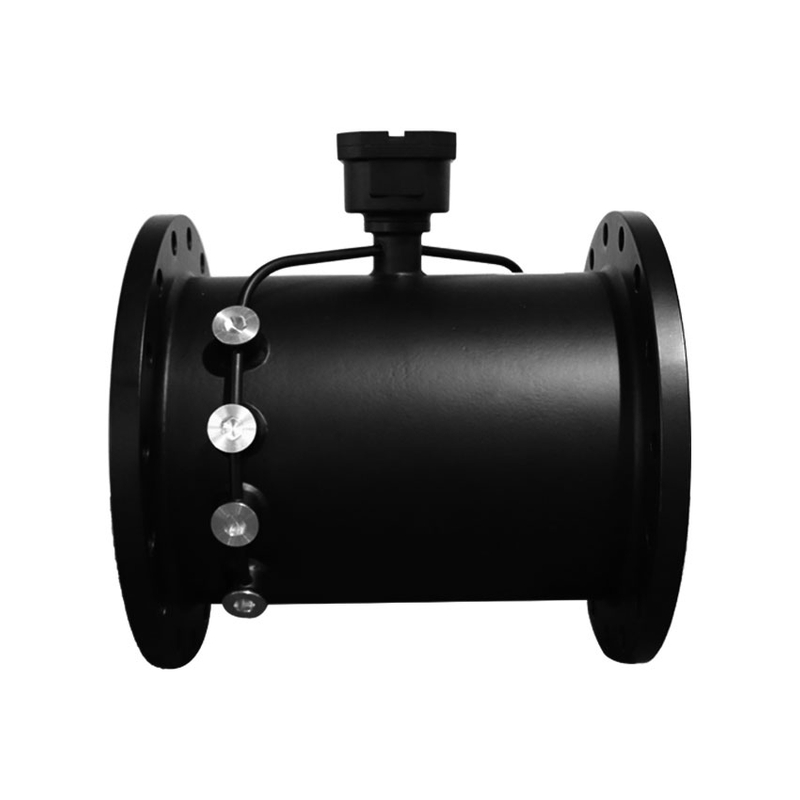
Ultrasonic water meters, despite their many benefits, face some limitations. One common challenge is sensitivity to water conditions. For example, the transit time method requires relatively clean water to measure accurately. Suspended particles or air bubbles can scatter ultrasonic waves, causing signal loss or noisy data. The Doppler method tolerates some impurities but needs a minimum concentration of particles or bubbles to reflect signals properly.
Another limitation is pipe material and lining. Pipes lined with plastic, concrete, or fiberglass can absorb or scatter ultrasonic signals, reducing accuracy or preventing measurement altogether. Stainless steel pipes may conduct signals too well, causing interference. These issues can sometimes be solved by selecting meters designed for specific pipe materials or using clamp-on transducers with enhanced coupling gels.
Installation environment also poses challenges. Strong vibrations, large temperature fluctuations, or electromagnetic interference may affect meter electronics or signal quality. Proper installation, shielding, and power supply stabilization help mitigate these effects.
Water quality directly influences ultrasonic meter reliability. Clean water allows clear transmission of ultrasonic pulses, enabling precise measurements. However, water containing high levels of suspended solids, air bubbles, or chemical additives can distort or attenuate signals.
For transit time meters, excessive bubbles or particles create noise and reduce the signal-to-noise ratio. This leads to inaccurate flow calculations or intermittent readings. Doppler meters require a minimum particle size and concentration to function, so very clean water may cause signal loss.
Water temperature and pressure changes can also affect ultrasonic wave speed, requiring compensation algorithms within meter electronics. Additionally, corrosive or scaling water may deposit on transducer surfaces or pipe walls, degrading signal quality over time.
Regular water quality monitoring and selecting the appropriate ultrasonic meter type based on water characteristics help maintain performance.
Accurate data from ultrasonic water meters depends on multiple factors. Proper installation is crucial: meters must be placed on straight pipe sections with sufficient length upstream and downstream to stabilize flow. Transducers need secure coupling and correct alignment to avoid signal loss.
Periodic maintenance ensures transducers stay clean and coupling gel remains effective. Firmware updates can improve processing algorithms and compensate for changing conditions.
Calibration checks against known standards verify meter accuracy over time. Advanced meters often include self-diagnostics and alarm functions to detect anomalies like sensor failure or low battery.
Data validation through cross-checking with other meters or flow indicators enhances reliability in critical applications. Integrating ultrasonic meters into smart monitoring systems allows continuous performance tracking and early fault detection.
Address water quality and installation environment carefully to overcome ultrasonic meter limitations and ensure consistent, accurate flow measurement.
Ultrasonic water meters offer high accuracy, long-term stability, and minimal pressure loss. They excel in residential, industrial, and smart city applications. The future of ultrasonic water meter technology promises even greater efficiency and integration with smart systems. Implementing these meters can significantly enhance water management and conservation efforts. Shandong Hetong Information Technology Co., Ltd. provides advanced ultrasonic water meters that deliver precise measurements and reliable performance, adding value to water management systems with their innovative technology and commitment to quality.
A: An ultrasonic water meter is a device that uses sound waves to measure water flow accurately. It calculates flow rate by measuring the time it takes for ultrasonic pulses to travel through water in a pipe.
A: Ultrasonic water meters operate using sound waves. They measure flow by sending ultrasonic pulses through water and calculating the time difference between upstream and downstream travel.
A: Ultrasonic water meters offer higher accuracy and durability. They have no moving parts, reducing wear and maintenance needs, and they cause minimal pressure loss, unlike mechanical meters.
A: Ultrasonic water meters provide precise measurements, long-term stability, and minimal maintenance. Their design reduces water loss, and they work well in various water qualities, enhancing efficiency and reliability.
A: The cost of ultrasonic water meters varies based on size, features, and brand. They are generally more expensive than mechanical meters but offer greater accuracy and lower maintenance costs.
A: Ensure the transducers are correctly aligned and the pipe is full of water. Check for signal interference or debris affecting the meter. Regular maintenance and calibration can help maintain accuracy.


