
Views: 0 Author: Site Editor Publish Time: 2025-10-31 Origin: Site
Have you ever wondered how your energy usage is measured? Understanding energy consumption is crucial for managing costs and efficiency. This article explores the differences between heat meters and electric meters.
In this post, you'll learn about their unique functions, key features, and applications in various settings.
A heat meter is a device that measures the amount of thermal energy consumed in heating and cooling systems. It calculates energy usage based on the formula ( Q = m \cdot C \cdot \Delta T ), where:
● Q = heat energy (in joules)
● m = mass flow rate of the fluid (in kg/s)
● C = specific heat capacity (in J/kg·°C)
● ΔT = temperature difference (in °C)
Heat meters play a vital role in various systems, including heating, cooling, and hot water supply. They help ensure accurate billing and efficient energy use.
Mechanical heat meters are traditional devices that use moving parts to measure flow. They operate based on the flow of water through a turbine or similar mechanism.
Advantages:
● Cost-effective and widely available.
● Easy maintenance makes them user-friendly.
● Suitable for small-scale applications like residential buildings.
Disadvantages:
● Limited accuracy, especially under variable conditions.
● They can wear out over time, affecting performance.
Ultrasonic heat meters employ sound waves to measure flow without moving parts. They send ultrasonic signals through the fluid and calculate the flow based on the time it takes for the signals to travel.
Benefits:
● High accuracy and reliability.
● Minimal mechanical wear increases longevity.
● Ideal for large-scale systems due to their efficiency.
Advanced Features:
● Anti-fouling coatings prevent buildup, ensuring consistent readings.
● Stability in variable conditions enhances performance.
Heat meters come equipped with various features to enhance their functionality.
● Measurement Technology and Accuracy: They utilize advanced sensors for precise readings.
● Functional Configuration:
○ Sensing Components: High-precision temperature sensors (e.g., PT1000) and versatile flow sensors.
○ Data Processing & Display: Integrated calculators and large LCD displays provide essential metrics at a glance.
● Connectivity and Compatibility: Many heat meters support protocols like RS-485, M-Bus, and HART, making them compatible with smart systems.
● Power Options: They can be battery-powered or AC/DC-powered, depending on the application.
● Durability and Protection Ratings: Robust designs often feature high ingress protection ratings (e.g., IP65, IP68), ensuring they withstand harsh environments.
Heat meters are used in various settings, showcasing their versatility:
● Residential Complexes: Centralized heating systems use heat meters for fair billing among tenants.
● Commercial Buildings: They monitor HVAC energy use, helping optimize efficiency and reduce costs.
● Industrial Facilities: In production processes, they track thermal energy, ensuring optimal operation.
● District Heating and Cooling Networks: Heat meters measure distribution for effective load balancing, improving overall system performance.
Heat meters are essential tools in energy management, providing accurate measurements and insights across multiple applications. Their various types and features cater to different needs, making them invaluable in today’s energy-conscious world.
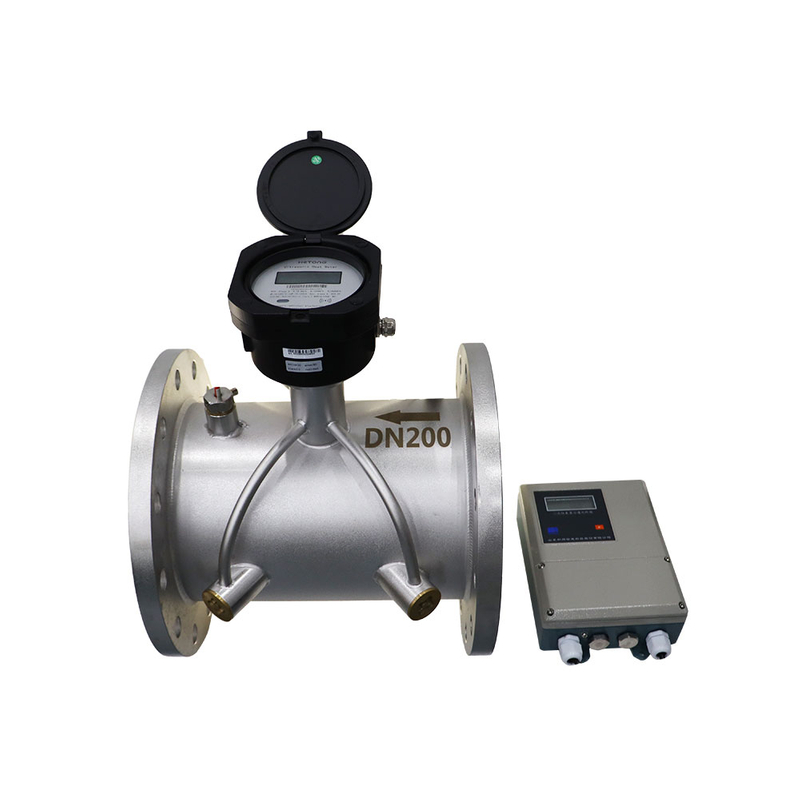
An electric meter is a device used to measure the amount of electrical energy consumed by a residence or business. It calculates usage based on the formula ( \text{kWh} = \text{kW} \times \text{h} ), where:
● kWh = kilowatt-hour, the unit of energy
● kW = power in kilowatts
● h = time in hours
Electric meters are essential for accurate electricity billing and monitoring energy consumption.
These traditional meters use a rotating disk to measure energy consumption. The disk spins faster with higher usage, providing a visual indication of consumption.
Pros:
● Low cost makes them accessible for many users.
● Simple interface is easy to read.
Cons:
● Limited functionality compared to modern meters.
● No real-time data, making it hard to monitor usage instantly.
Electronic meters utilize digital technology to measure energy. They offer high precision and often come with digital displays.
Advantages:
● More accurate readings than mechanical meters.
● Digital displays provide clear information at a glance.
Smart meters represent the latest technology in energy measurement. They feature two-way communication and can transmit data in real-time.
Features:
● Remote reading capabilities eliminate the need for manual checks.
● Monitor electricity quality and provide demand response features.
Benefits:
● Users can track their energy consumption in real time.
● Utilities can manage loads more effectively.
These meters are designed for high-capacity environments, such as industrial plants and large commercial buildings. They can handle significant energy loads efficiently.
Electric meters come equipped with various features to enhance their functionality.
● Measurement Parameters: They measure both active and reactive energy, giving a complete picture of energy use.
● Data Management Capabilities:
○ Built-in data loggers track energy usage over time.
○ Undeletable logbooks ensure accurate historical records.
● Connectivity Options: Many meters support remote communication, allowing for seamless data transfer.
○ Support for Cellular Networks, Wi-Fi, and Utility Networks: This connectivity enables efficient monitoring and management.
Electric meters find applications in various settings, enhancing energy management.
● Residential Use: They provide accurate monthly billing and allow homeowners to track their energy usage.
● Commercial Buildings: Meters help monitor energy use, leading to optimized operational efficiency.
● Industrial Facilities: They identify inefficiencies in energy consumption, aiding in cost reduction.
● Utility Grid Management: Real-time load data helps manage peak loads effectively, ensuring a stable power supply.
Electric meters are crucial for managing electricity consumption. Their various types and features cater to different needs, making them indispensable in both residential and commercial settings.
When comparing heat meters and electric meters, the first distinction lies in what they measure.
● Thermal Energy vs. Electrical Energy:
○ Heat meters measure thermal energy, essential for heating systems.
○ Electric meters measure electrical energy, crucial for powering devices and appliances.
● Typical Units of Measurement:
○ Heat meters often use units like kcal (kilocalories) and kJ (kilojoules).
○ Electric meters typically measure energy in kWh (kilowatt-hours).
The principles behind how each type of meter calculates energy consumption reveal key differences.
● Heat Meters:
They calculate energy based on the fluid flow rate and the temperature difference between the inlet and outlet. The formula used is:
[ Q = \dot{m} \cdot C \cdot \Delta T ]
● Electric Meters:
These meters determine energy consumption using current, voltage, and time. The fundamental formula is:
[ E = V \cdot I \cdot t ]
Understanding the components of each meter helps highlight their functionality.
● Heat Meters:
○ Flow Sensors: Measure the rate of fluid flow.
○ Temperature Sensors: Detect temperature at different points.
○ Heat Calculators: Compute the total thermal energy based on measurements.
● Electric Meters:
○ Current/Voltage Sensors: Monitor electrical flow and voltage levels.
○ Microprocessors: Process data and perform calculations.
○ Display Units: Show real-time data for user interaction.
The applications of heat and electric meters vary across different sectors.
● Residential Sector:
○ Heat meters are commonly used in centralized heating systems.
○ Electric meters are standard in homes for monitoring electricity use.
● Commercial and Industrial Sectors:
○ Heat meters manage heating and cooling in large buildings.
○ Electric meters track energy consumption to optimize operational efficiency.
Both heat and electric meters are evolving with smart technology.
● Smart Functionalities:
○ Heat Meters: Advanced models offer remote monitoring and integration with building management systems.
○ Electric Meters: Smart meters provide two-way communication, allowing for real-time data access and analysis.
● Energy Management Solutions:
Both types of meters support energy management, helping users reduce costs and improve efficiency.
Each meter is designed to withstand specific environmental conditions.
● Heat Meters:
They are built to resist fluid corrosion and high temperatures, ensuring reliability in various settings.
● Electric Meters:
These meters often feature weatherproof designs and are resistant to electrical interference, making them suitable for outdoor installations.This comparison highlights the distinct roles heat meters and electric meters play in energy measurement and management.
The heat meter market is influenced by several key factors that drive competition.
● Accuracy:
Precision is vital for heat meters. Accurate measurements lead to better energy management and cost savings. Manufacturers are focusing on improving measurement technologies to enhance reliability.
● Smart Integration:
As smart home technology gains traction, heat meters are expected to integrate seamlessly into these systems. This feature allows for remote monitoring and control, appealing to tech-savvy consumers.
● Cost vs. Performance:
In residential applications, consumers often seek a balance between cost and performance. For larger-scale applications, such as commercial buildings, performance and accuracy can take precedence over initial costs.
Electric meters face their own set of competitive pressures.
● Smart Functionality:
The rise of smart meters has transformed the electric meter landscape. Features like real-time data access and remote monitoring are now standard expectations. This shift is driving manufacturers to innovate continuously.
● Compliance and Standards:
Compliance with local regulations and standards is crucial. Meters must meet specific requirements to be approved for use, influencing design and functionality.
● Scalability and Interoperability:
Utility clients demand solutions that can scale effectively. Electric meters need to work well with existing platforms, ensuring smooth integration into current systems.
The metering technology landscape is evolving rapidly, shaped by emerging trends.
● IoT Integration:
The Internet of Things (IoT) is revolutionizing how meters operate. Both heat and electric meters are increasingly connected, allowing for data collection and analysis in real time.
● Energy Efficiency:
There’s a growing emphasis on energy-efficient solutions. Consumers are more aware of their energy consumption, prompting demand for meters that help track and reduce usage.
● Data-Driven Solutions:
Connected metering solutions are becoming essential. Users want comprehensive data analytics to make informed decisions about their energy consumption.These insights illustrate the competitive dynamics in the heat and electric meter markets, highlighting the importance of innovation and adaptation to meet evolving consumer needs.
In summary, heat meters and electric meters serve distinct purposes.
Heat meters measure thermal energy, while electric meters track electrical energy usage.
Choosing the right meter is crucial for effective energy management in various applications.
Consider your specific energy measurement needs to make an informed decision.If you need assistance, you can contact us.
A: A heat meter measures thermal energy consumption, primarily in heating systems.
A: Heat meters calculate energy usage by measuring fluid flow rate and temperature differences.
A: Smart electric meters offer real-time data access, remote monitoring, and improved energy management.
A: Yes, heat meters can also measure energy usage in cooling systems.
A: Consider your specific energy needs, application type, and whether you require thermal or electrical measurements.


