

Views: 0 Author: Site Editor Publish Time: 2025-10-30 Origin: Site


The Internet of Things (IoT) has transformed various industries, and water management is no exception. IoT in water management systems refers to the integration of smart devices and sensors that monitor water usage, quality, and infrastructure health in real time. These advanced systems enable efficient resource management, early leak detection, and data-driven decision-making, ultimately leading to improved sustainability and conservation efforts. By leveraging IoT technology, utilities and businesses can optimize their water management practices, ensuring a more reliable and efficient water supply for communities.
IoT water meters are smart devices that measure water usage and connect to the internet or communication networks. Unlike traditional meters, they provide real-time data on water flow, pressure, and temperature. These meters are part of the Internet of Things (IoT) ecosystem, where devices communicate automatically to optimize water management. They can be installed at various points, such as building entrances, individual floors, or specific equipment, enabling detailed monitoring.
IoT water meters use sensors to detect water consumption and other parameters continuously. These sensors send data wirelessly using WiFi, cellular, or other communication protocols to a central platform or cloud service. The platform analyzes this data and presents it through dashboards accessible via computers or mobile devices. Two-way communication allows not only monitoring but also control actions, such as shutting off water remotely in case of leaks or anomalies.
The process typically involves three steps:
● Data Collection: Sensors capture water flow, pressure, and temperature data.
● Data Transmission: Data is sent in real-time to a cloud or control system.
● Action & Alerts: The system analyzes data, sends alerts on leaks or unusual consumption, and can automatically control valves to prevent damage.
IoT water meters offer multiple advantages for businesses and utilities:
● Immediate Leak Detection: They detect leaks and moisture instantly, reducing water waste and damage costs.
● Remote Monitoring: Users can access water usage data anytime from anywhere, improving management efficiency.
● Water Conservation: Detailed data helps identify waste patterns, enabling targeted conservation strategies.
● Operational Savings: Early detection of issues reduces repair costs and downtime.
● Multi-site Management: IoT meters can monitor multiple locations simultaneously, supporting large operations.
● Enhanced Customer Engagement: Real-time data and alerts empower users to make informed decisions about water use.
For example, a leaking tap wasting eight liters per minute could cost thousands annually. IoT water meters catch such leaks early, saving money and preserving resources.
When deploying IoT water meters, prioritize devices with two-way communication to enable both monitoring and remote control for faster response to water issues.
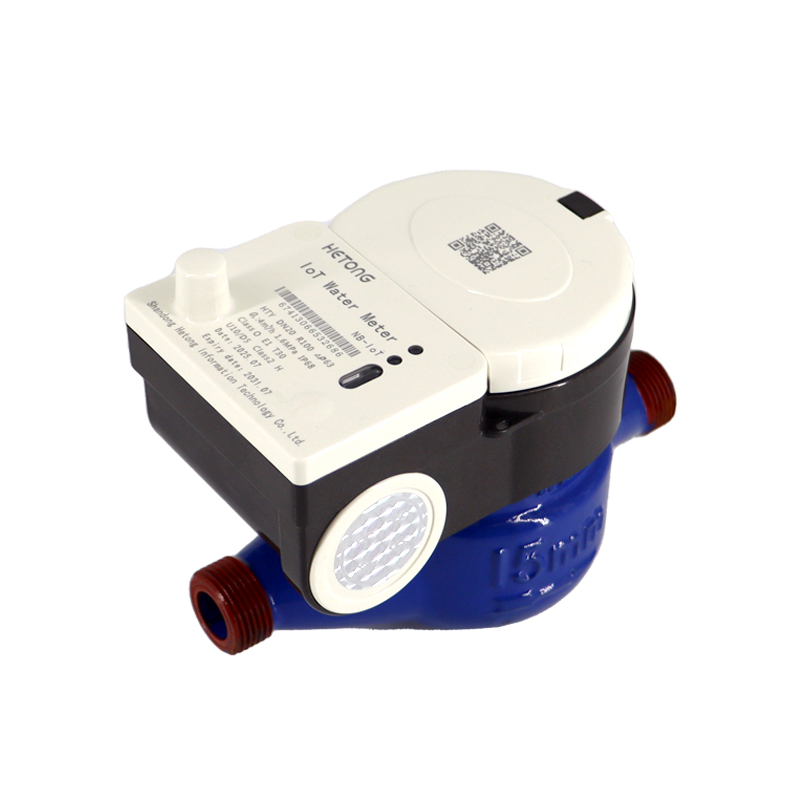
IoT water management relies on various data collection methods to gather accurate, real-time information on water usage and system status. Primarily, smart sensors embedded in water meters and pipelines capture data such as flow rate, pressure, temperature, and water quality indicators. These sensors use wireless communication technologies like WiFi, cellular networks, or low-power wide-area networks (LPWAN) to transmit data continuously to cloud platforms.
Besides fixed sensors, mobile data collection tools such as drones or handheld devices can inspect hard-to-reach infrastructure, providing supplementary data on leaks or damages. Additionally, some systems integrate with external data sources like weather forecasts or soil moisture sensors to enrich water management decisions, especially in irrigation contexts.
Smart sensors form the backbone of IoT water management systems. They not only measure physical parameters but also process preliminary data locally, filtering noise and detecting anomalies before sending information upstream. This edge computing reduces data load and accelerates response times.
For example, pressure sensors detect sudden drops indicating leaks, while flow sensors monitor unusual consumption patterns. Temperature and quality sensors assess water conditions to prevent contamination. Many sensors support two-way communication, allowing remote calibration or control commands such as valve closures.
The sensors’ ability to operate autonomously and reliably in harsh environments, often powered by batteries or energy harvesting, ensures continuous monitoring without frequent maintenance.
Once data reaches centralized platforms, advanced analytics transform raw information into actionable insights. Machine learning algorithms identify consumption patterns, predict demand fluctuations, and detect inefficiencies. For instance, analyzing flow data over time helps pinpoint persistent leaks or unauthorized usage.
Visualization dashboards present trends and alerts, enabling managers to make informed decisions quickly. Automated alerts notify operators about anomalies, allowing prompt intervention before issues escalate.
Moreover, integrating weather and soil moisture data optimizes irrigation schedules, conserving water while maintaining crop health. Predictive maintenance models forecast equipment failures, reducing downtime and repair costs.
Overall, data analysis enables dynamic water distribution, targeted conservation efforts, and improved system resilience.
Choose IoT water management solutions that combine edge computing sensors and cloud analytics to ensure fast, accurate detection and efficient water usage optimization.
IoT water management systems provide real-time monitoring, allowing users to track water usage and system status instantly. Sensors continuously send data about flow rates, pressure, and temperature to a central platform. This immediate insight helps detect anomalies early. For example, if a sudden spike in water use occurs, the system can alert managers right away. These alerts can be sent via email, text, or app notifications, ensuring quick awareness regardless of location. Real-time monitoring reduces response time to issues, minimizing water waste and damage.
One of the most valuable benefits of IoT in water management is early leak detection. Smart sensors identify leaks as soon as they start, even small drips that traditional systems might miss. Detecting leaks early prevents costly damage and conserves water. Some systems also enable automatic shutoff valves that stop water flow immediately upon detecting a leak. This proactive approach saves money and protects infrastructure. For example, a tiny leak wasting eight liters per minute could cost thousands annually; IoT systems catch these leaks before they escalate.
IoT systems help improve water conservation by providing detailed usage data. Users can analyze patterns to identify wasteful habits or inefficiencies. This data supports targeted conservation efforts, such as adjusting irrigation schedules or fixing faulty equipment. By monitoring multiple sites simultaneously, businesses can implement consistent water-saving strategies across locations. Real-time feedback encourages responsible water use and supports sustainability goals. In agriculture, IoT sensors optimize irrigation by measuring soil moisture and weather conditions, reducing overwatering and promoting healthy crops.
Choose IoT water management solutions offering customizable alerts and automatic shutoff features to maximize leak prevention and water savings.
Implementing IoT water management systems requires a significant upfront investment. The cost of purchasing and installing smart sensors, water meters, communication networks, and cloud platforms can be high. Water infrastructure often spans large areas, and upgrading legacy systems to support IoT devices may involve extensive customization and integration work. These expenses can be a barrier, especially for small utilities or businesses with limited budgets.
However, it’s important to consider that IoT solutions can lead to long-term savings. Early leak detection reduces water loss and repair costs, while remote monitoring cuts down on manual inspections. Even deploying a limited number of smart meters strategically can improve operational efficiency and reduce maintenance expenses. Careful planning and phased rollouts help manage costs over time.
With IoT water management, more devices connect to networks, increasing vulnerability to cyberattacks. Water systems are critical infrastructure, so security breaches can have serious consequences, including water contamination or service disruption. Securing IoT devices, communication channels, and data storage is essential.
Water utilities must implement strong encryption, multi-factor authentication, and continuous monitoring to detect suspicious activity. Regular software updates and patches help protect against emerging threats. Training staff on cybersecurity best practices is also vital. The 2021 cyberattack attempt on a water treatment plant in Florida highlights the importance of robust defenses to prevent malicious tampering.
Reliable communication is crucial for real-time data transmission and remote control in IoT water management. However, water networks often cover vast or remote areas where cellular or WiFi coverage is weak or unavailable. Connectivity gaps can cause delays or loss of critical data, reducing system effectiveness.
To overcome this, companies should evaluate multiple connectivity options, such as low-power wide-area networks (LPWAN), satellite communication, or mesh networks. Having backup connectivity ensures continuous operation during network outages caused by weather or technical failures. Planning connectivity early in the deployment process helps avoid disruptions and guarantees consistent data flow.
When planning IoT water management projects, prioritize a strong cybersecurity framework and reliable connectivity solutions to ensure system resilience and protect critical water infrastructure.
Smart cities use digital technology to improve urban life, and water management plays a vital role. IoT water management integrates sensors, meters, and communication networks into city infrastructure. These devices collect real-time data on water consumption, quality, and system health across neighborhoods, buildings, and public spaces.
This infrastructure connects water systems to other city services like energy, waste, and transportation. For example, data from water meters can sync with energy grids to optimize pumping schedules, reducing electricity use during peak hours. Smart city infrastructure supports efficient resource use, lowers costs, and enhances residents’ quality of life.
In urban areas, water demand fluctuates widely due to population density and varied usage patterns. IoT helps city managers monitor water distribution, detect leaks, and control supply remotely. Smart sensors track water pressure and flow in real time, alerting operators to anomalies before they cause damage.
IoT also enables predictive maintenance by analyzing sensor data to forecast equipment failures. This reduces outages and repair costs. Moreover, IoT supports sustainable water use by integrating weather and consumption data to adjust irrigation and reduce waste.
For instance, if a city park’s irrigation system uses soil moisture sensors, it waters plants only when necessary, saving water and energy. Such smart management helps cities meet environmental goals and ensures reliable water services.
IoT water management empowers citizens by providing transparent, real-time information about their water use. Mobile apps and online dashboards let users track consumption, receive leak alerts, and get conservation tips. This openness encourages responsible water habits and builds trust between residents and utilities.
Public participation improves when people understand how their actions impact water resources. Cities can run awareness campaigns using IoT data to show savings from reduced consumption or leak repairs. Some systems even gamify water saving, rewarding users for meeting targets.
Furthermore, IoT enables two-way communication. Residents can report leaks or service issues directly through apps, speeding response times. This collaborative approach strengthens community engagement and supports smarter water management.
When integrating IoT water management in smart cities, prioritize platforms that enable real-time data sharing and two-way communication to foster public engagement and efficient resource use.
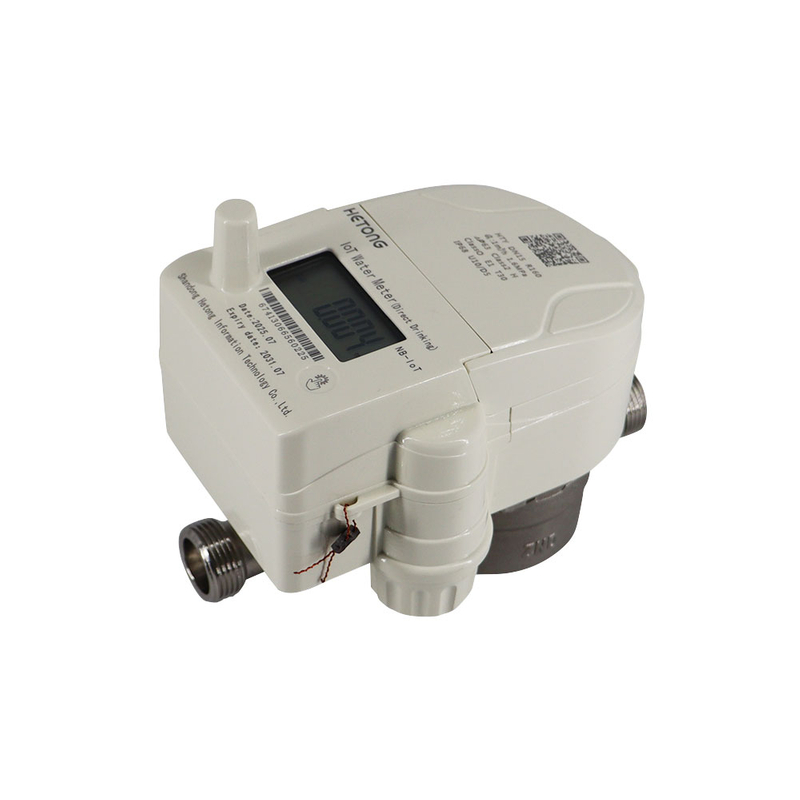
The future of IoT in water management looks promising, driven by rapid advances in sensor technology, connectivity, and data analytics. Emerging sensors will become smaller, more energy-efficient, and capable of measuring a wider range of parameters such as water quality, chemical contaminants, and microbial presence. These sensors will also feature improved durability for harsh environments.
Edge computing will play a larger role, processing data locally on devices to reduce latency and bandwidth use. This allows faster decision-making, especially for critical applications like leak detection or contamination alerts. Integration of AI and machine learning will enhance predictive capabilities, spotting potential issues before they occur.
Connectivity technologies such as 5G and Low-Power Wide-Area Networks (LPWAN) will expand coverage and reliability, even in remote or underground locations. These networks support large numbers of devices transmitting small amounts of data efficiently.
Blockchain technology may also emerge to secure data integrity and transparency in water management systems, building trust among stakeholders.
By 2025, IoT water management systems will become more widespread across urban and rural areas. Smart meters and sensors will be standard in new water infrastructure projects, allowing utilities to monitor consumption and system health continuously.
Real-time water quality monitoring will become common, enabling quick responses to contamination events. Predictive maintenance powered by AI will reduce downtime and extend equipment life. Water utilities will adopt dynamic pricing models based on consumption patterns, encouraging conservation.
Integration with smart city platforms will deepen, connecting water management with energy, waste, and transportation systems for holistic resource optimization. Public engagement tools will improve, offering consumers personalized water use insights and conservation incentives through mobile apps.
Agricultural IoT applications will optimize irrigation using soil moisture and weather data, significantly reducing water waste while maintaining crop yields.
Long-term, IoT in water management promises substantial benefits for sustainability and resource efficiency. Continuous monitoring reduces water loss through early leak detection and timely repairs. Optimized irrigation and dynamic water distribution minimize unnecessary consumption, preserving freshwater supplies.
Enhanced data analytics support better planning and investment decisions, improving infrastructure resilience against climate change impacts. Public awareness and participation increase through transparent data sharing, fostering responsible water use habits.
Sustainable water management enabled by IoT contributes to environmental protection by reducing energy consumption in pumping and treatment, lowering greenhouse gas emissions. It also supports compliance with stricter water quality regulations, safeguarding public health.
Overall, IoT will transform water systems into smart, adaptive networks that balance human needs with ecosystem preservation, ensuring water availability for future generations.
Invest in scalable IoT platforms that combine advanced sensors, AI analytics, and robust connectivity to future-proof water management systems and maximize long-term sustainability benefits.
IoT water meters revolutionize water management by providing real-time data, enabling early leak detection, and supporting water conservation. The future of IoT in water systems includes advanced sensors, AI analytics, and improved connectivity, enhancing efficiency and sustainability. Shandong Hetong Information Technology Co., Ltd. offers innovative IoT solutions that optimize water usage, ensuring long-term resource preservation. Their products deliver significant value by integrating cutting-edge technology with practical applications in water management.
A: An IoT water meter measures water usage and connects to the internet, providing real-time data on flow, pressure, and temperature.
A: IoT water meters identify waste patterns through detailed data, enabling targeted conservation strategies and reducing water waste.
A: IoT water meters offer immediate leak detection, remote monitoring, and operational savings, enhancing efficiency and reducing costs.
A: While initially costly, IoT water meters lead to long-term savings by reducing water loss and repair expenses.


