
Views: 0 Author: Site Editor Publish Time: 2025-10-31 Origin: Site
Heat meters are essential devices used to measure the energy consumption of heating systems by accurately tracking the flow of hot water or heat transfer fluids. By utilizing flow sensors and temperature sensors, these meters calculate the total thermal energy delivered based on the volume of fluid passing through and the temperature difference between the supply and return lines. This precise measurement enables fair billing, energy optimization, and supports sustainability efforts in residential, commercial, and industrial settings. In this article, we will delve into the workings of heat meters, their components, and the benefits they provide for effective energy management.
A heat meter has three main parts working together to measure energy consumption. The flow sensor is usually installed in the pipe and detects how much water or heat transfer fluid passes through. It can be mechanical, ultrasonic, or other types. The temperature sensors are placed on the supply (inlet) and return (outlet) lines, constantly measuring the temperature of the fluid at each point. The calculator unit receives data from both sensors and processes it to determine the total energy used.
The core idea behind a heat meter involves two key measurements. First, it tracks flow volume—the amount of water passing through over a specific period, usually in liters or cubic meters. Second, it measures the temperature difference (ΔT) between the supply and return lines. This difference indicates how much heat has been transferred into the building's indoor space.
Using the flow volume and temperature difference, the calculator performs a series of calculations to determine energy consumption. It multiplies the flow rate by the temperature difference and a pre-set coefficient, which accounts for the specific properties of the heat transfer fluid and system characteristics. This process results in an energy reading, typically expressed in kilowatt-hours (kWh). The calculator often features a digital display, allowing users to view real-time data or stored consumption figures.
When water flows through the pipe, the flow sensor detects its movement and volume. Simultaneously, the temperature sensors monitor the temperature at both the inlet and outlet. The calculator then applies the formula:
Energy (kWh) = Flow Volume × Temperature Difference × Coefficient
This calculation provides an accurate measure of the thermal energy transferred, which can be used for billing, system monitoring, or efficiency analysis.
Suppose a heat meter detects that 10 cubic meters of water flow through the system, with a temperature difference of 20°C. If the coefficient for the system is 0.024, the energy consumption would be:
10 m³ × 20°C × 0.024 = 4.8 kWh
This value indicates the amount of heat energy delivered during that period.
In essence, heat meters combine flow and temperature data to accurately quantify energy transfer. Their precision depends on high-quality sensors and proper installation, ensuring reliable readings for energy management.
Proper calibration and regular maintenance of sensors are vital for maintaining the accuracy of heat meters over time.
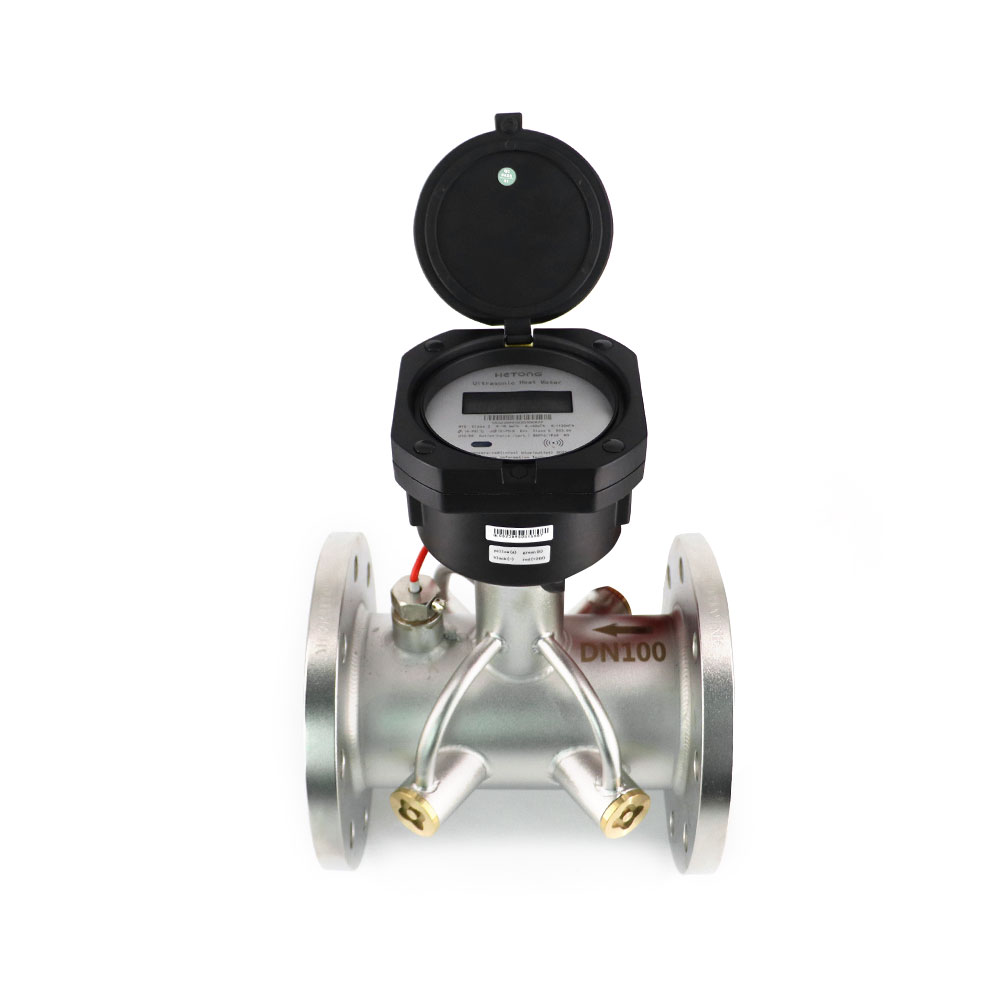
Mechanical heat meters are among the oldest and most straightforward types. They operate using a rotating impeller or turbine that spins as water flows through the device. The faster the water moves, the quicker the impeller turns, and this rotation is translated into a volume measurement. These meters are simple, cost-effective, and proven over decades. They work well in systems with clean, stable water quality and moderate flow rates.
Advantages:
● Low initial cost.
● Simple design, easy to install and operate.
● Widely tested and understood technology.
Disadvantages:
● Accuracy can decline over time due to wear and tear of moving parts.
● Performance depends heavily on water quality; impurities can clog or damage the impeller.
● Mechanical parts require regular maintenance and calibration.
● Limited sensitivity at low flow rates, which can lead to inaccuracies in small systems.
Ultrasonic heat meters use sound waves to measure flow without any moving parts. They send ultrasonic signals through the fluid, and the time it takes for these signals to travel helps determine flow velocity. These meters are highly precise and suitable for long-term use in various environments.
Benefits:
● Very high accuracy, even at low flow rates.
● Minimal maintenance due to absence of moving parts.
● Long service life, often exceeding 15 years.
● Less affected by impurities or water quality issues.
● Compact design, ideal for modern, space-constrained applications.
Limitations:
● Higher upfront cost compared to mechanical meters.
● Sensitive to installation conditions; proper placement is crucial.
● May require more sophisticated calibration and setup.
● Performance can be affected by air bubbles or debris if not properly installed.
Superstatic heat meters stand out for their advanced flow measurement technology. They use piezoelectric sensors to detect flow, bypassing the need for moving parts or ultrasonic signals. This design offers several key advantages, especially in demanding environments.
Features:
● Piezoelectric sensors determine flow rate via a venturi bypass.
● High precision even at very low flow rates.
● No moving parts, reducing wear and extending lifespan.
● Glycol-tolerant, suitable for systems with glycol mixtures.
● Multiple communication options, including wireless and wired protocols.
● Compatible with various sizes, from small residential setups to large industrial systems.
Benefits:
● Exceptional accuracy and reliability.
● Low maintenance needs, thanks to no mechanical wear.
● Resistant to impurities, ideal for systems with water treatment challenges.
● Easy integration into building management and remote monitoring systems.
● Long-lasting, reducing replacement costs over time.
In summary, selecting the right heat meter depends on your application needs, water quality, budget, and maintenance capacity. Mechanical meters suit simple, low-cost projects. Ultrasonic models excel in accuracy and longevity. Superstatic meters combine precision, durability, and advanced features, making them ideal for complex or demanding systems.
Proper installation and regular maintenance are crucial for ensuring accurate readings and long-lasting performance of heat meters. Whether you choose mechanical, ultrasonic, or superstatic models, following best practices can prevent common issues and extend the lifespan of your equipment.
Correct installation is the foundation of reliable measurements. First, ensure the meter is installed in a straight, horizontal section of pipe with sufficient upstream and downstream straight lengths—usually at least 10 times the pipe diameter before the meter and 5 times after—to avoid flow disturbances. Improper placement can cause turbulence or uneven flow, leading to inaccurate data.
Position temperature sensors at standardized points, typically in pockets or sensor adaptors, both in the supply and return lines. They should be in thermally stable zones, away from valves, pumps, or bends, which can cause temperature fluctuations. For ultrasonic meters, avoid installing near air bubbles, debris, or electromagnetic interference sources, as these can impair signal transmission.
Mechanical meters require periodic inspection and calibration due to wear and tear of moving parts. Regular cleaning of impellers and checking for obstructions help maintain accuracy. If water quality is poor, filters or strainers should be cleaned or replaced frequently to prevent clogging.
Ultrasonic meters are low-maintenance but benefit from annual calibration checks. Since they lack moving parts, they are less prone to mechanical failure. However, sensors should be cleaned periodically to remove any buildup or biofilm, especially in systems with high mineral content or biological growth.
Superstatic meters demand minimal maintenance because of their piezoelectric sensors and bypass design. Nonetheless, they should be inspected for sensor integrity and communication functionality annually. Ensuring the venturi bypass remains unobstructed is key to maintaining precision.
● Erroneous readings often stem from improper installation, such as insufficient straight pipe lengths or sensor misplacement. Reassess installation points and verify sensor positions.
● Flow disturbances caused by air bubbles or debris can disrupt ultrasonic signals. Regularly purge systems and install strainers to catch impurities.
● Wear and mechanical failure in mechanical meters may lead to inconsistent data. Replace worn components or consider upgrading to ultrasonic or superstatic models.
● Communication issues in digital meters may result from faulty wiring or incompatible protocols. Check connections, update firmware, or recalibrate communication modules.
● Water quality problems such as corrosion or scaling can impair sensors. Use water treatment solutions, filters, or glycol mixtures as appropriate.
By adhering to installation guidelines and conducting routine maintenance, you ensure your heat meters deliver precise data over their lifespan. Regular checks prevent costly errors, support energy efficiency, and help comply with regulatory standards.
Heat meters play a vital role in ensuring fair billing practices. Instead of estimating energy use based on averages, these devices measure actual consumption. This accuracy benefits both property owners and tenants, fostering trust and transparency. For example, in apartment complexes, each resident pays only for the heat they actually use, preventing disputes over energy bills.
Tracking energy consumption also helps identify inefficiencies. When property managers monitor data over time, they can spot unusual spikes or drops in usage. This insight allows for targeted maintenance, system upgrades, or behavioral changes that reduce waste. Accurate data supports better decision-making, leading to cost savings and improved system performance.
Heat meters empower building operators to optimize heating systems. By analyzing consumption patterns, they can adjust settings to match actual needs. For instance, if data shows high energy use during certain hours, managers can modify schedules or setbacks. This fine-tuning reduces unnecessary energy expenditure.
Modern heat meters with remote reading capabilities make real-time monitoring possible. Property managers can receive alerts about abnormal consumption or system malfunctions instantly. This proactive approach minimizes energy waste and prevents costly repairs. Additionally, detailed consumption data guides investments in energy-efficient equipment, further lowering operational costs.
Sustainability goals drive many organizations to reduce their carbon footprint. Accurate heat measurement aligns with these efforts by promoting responsible energy use. When tenants and managers see their actual consumption, they become more conscious of their energy habits.
Regulatory standards often require precise monitoring of energy use, especially in large-scale or public buildings. Heat meters help ensure compliance by providing verified, tamper-proof data. This transparency can also support sustainability certifications, such as LEED or BREEAM, which recognize energy efficiency efforts.
Furthermore, heat meters contribute to broader environmental goals by enabling integration with renewable energy sources or district heating systems. They help optimize the use of sustainable energy, reducing reliance on fossil fuels.
Regularly reviewing heat meter data can uncover opportunities for energy savings and sustainability improvements, making it a smart investment for long-term efficiency.
Modern heat meters come equipped with advanced features that allow seamless integration into building management systems (BMS). This integration enhances energy monitoring, control, and automation, making building operations more efficient and sustainable.
Many of today’s heat meters support remote reading through wired or wireless communication protocols. These capabilities enable real-time data transmission to central management platforms without the need for manual onsite readings. Wireless options like LoRaWAN®, M-Bus, and radio modules extend the reach of data collection, even across large or complex building layouts.
Remote reading offers numerous advantages. It reduces human error, speeds up billing cycles, and allows for quick detection of anomalies such as leaks or system malfunctions. Property managers can access consumption data anytime, anywhere, using secure online dashboards or integrated software. This immediacy supports proactive maintenance and energy-saving measures.
Modern heat meters store extensive data internally, often for up to 24 months. This historical data helps track long-term consumption patterns, identify inefficiencies, and verify billing accuracy. On-device displays allow onsite personnel to view current readings instantly.
Communication protocols such as M-Bus, Modbus, and LoRaWAN® facilitate data transfer between meters and building management systems. Wired protocols like M-Bus and Modbus are reliable for fixed installations, providing continuous data flow. Wireless protocols like LoRaWAN® enable long-distance communication, ideal for large campuses or outdoor installations.
These protocols support various configurations, from simple point-to-point connections to complex networked systems. They ensure compatibility with existing infrastructure, simplifying upgrades and system expansion.
Integrating heat meters into BMS unlocks numerous benefits. It allows centralized control of heating systems, optimizing energy use based on real-time data. For example, if a meter detects excessive consumption in one zone, the system can automatically adjust valves or boost efficiency measures.
Data from heat meters can feed into dashboards that visualize energy consumption, costs, and system performance. Managers can set alerts for abnormal usage, schedule maintenance, or fine-tune heating schedules—all from a single interface.
This integration also supports sustainability initiatives. By providing precise data, it encourages occupants and operators to adopt energy-conscious behaviors. It ensures compliance with regulations, supports reporting for green certifications, and aligns with corporate sustainability goals.
Modern heat meters are no longer standalone devices. Their advanced digital features and communication capabilities make them vital components of smarter, more efficient building management. They enable accurate, remote data collection, facilitate system integration, and support proactive energy management. For property owners and facility managers, this means better control, reduced costs, and a step toward sustainability.
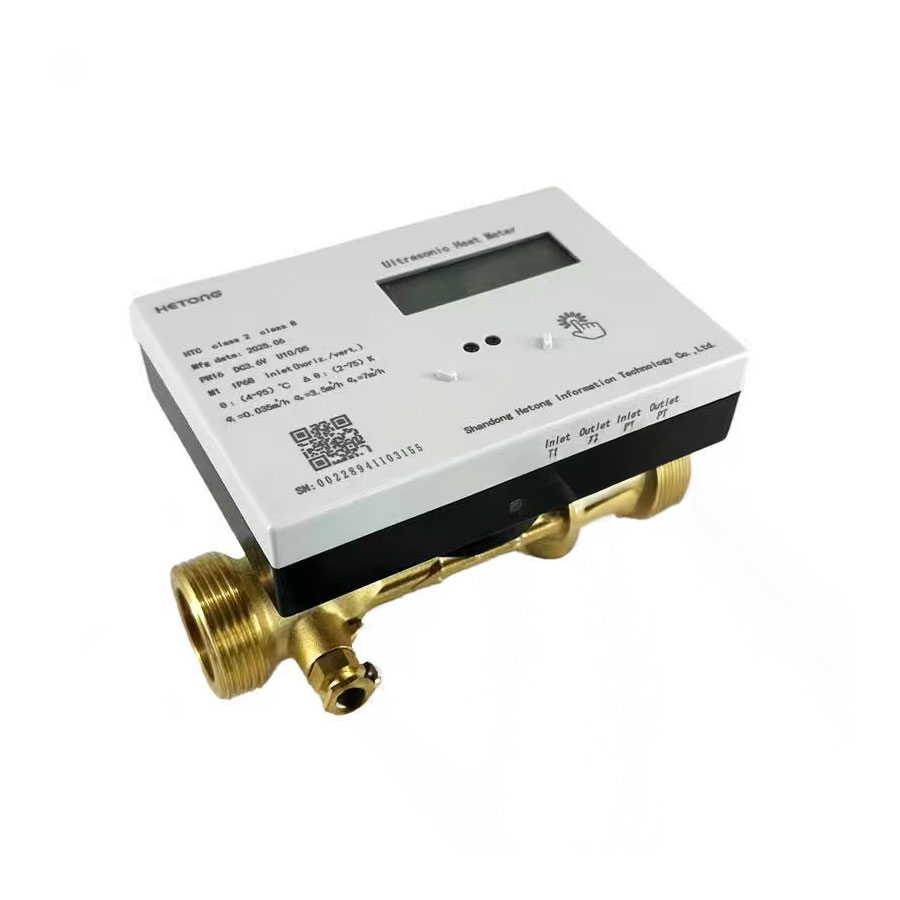
As technology advances, heat meters are evolving rapidly, driven by innovations in automation, connectivity, and intelligent data analysis. These developments aim to improve accuracy, ease of use, and integration with broader energy management systems.
One of the most promising trends is the integration of artificial intelligence (AI) with heat metering systems. AI algorithms can analyze vast amounts of consumption data to identify patterns, anomalies, and inefficiencies. For example, AI can detect unusual spikes in energy use, signaling potential leaks or malfunctioning equipment. This proactive detection helps prevent energy waste and reduces maintenance costs.
Automation also plays a vital role. Automated systems can adjust heating schedules based on real-time consumption data, weather forecasts, or occupancy patterns. This dynamic control optimizes energy use without manual intervention, leading to significant cost savings and enhanced comfort.
Wireless communication protocols like LoRaWAN® and NB-IoT are transforming how heat meters connect to management systems. These protocols enable long-range, low-power data transmission, suitable for large campuses, outdoor installations, or remote locations. As a result, utility companies and building managers can monitor multiple systems simultaneously without extensive wiring.
Sensor technology continues to improve, with new materials and designs offering higher precision and durability. Piezoelectric sensors, for example, provide highly accurate flow measurements even at very low rates, essential for complex or variable systems.
Furthermore, energy harvesting techniques are emerging, allowing meters to power themselves using the flow of water or ambient energy. This reduces reliance on batteries, extending device lifespan and decreasing maintenance.
The industry anticipates a shift toward fully integrated, smart energy management ecosystems. Future heat meters will not only measure consumption but also communicate with other building systems—HVAC, lighting, security—creating a synchronized environment that adapts to occupancy and energy demands.
Standardization of communication protocols and data formats will facilitate interoperability, making it easier to upgrade existing infrastructure. Cloud-based platforms will centralize data storage, analysis, and reporting, providing stakeholders with actionable insights accessible from anywhere.
Emerging AI-driven analytics will enable predictive maintenance, where systems forecast failures before they happen. This predictive approach minimizes downtime and enhances overall efficiency.
The industry is also exploring blockchain technology for secure, tamper-proof data management. This can be particularly valuable in billing and regulatory compliance, ensuring data integrity.
The future of heat meter technology lies in smarter, more connected systems. Automation, AI, and innovative communication protocols will make energy management more efficient, sustainable, and user-friendly. As these technologies mature, expect heat meters to become integral components of fully automated, intelligent building environments that prioritize energy efficiency and sustainability.
Tip: Investing in compatible, future-ready heat meters now can position your building for seamless upgrades as new technologies emerge.
Heat meters are crucial for accurate energy consumption measurement, offering benefits like precise billing and energy optimization. They support sustainability, regulatory compliance, and efficient building management. Embracing modern heat meter solutions enhances energy efficiency and system integration. Shandong Hetong Information Technology Co., Ltd. provides advanced heat meter technology, ensuring reliable data for energy management. Their products deliver value through precision, durability, and seamless integration, making them ideal for modern energy-conscious environments.
A: A heat meter is a device that measures the energy consumption of heating systems by tracking flow volume and temperature differences.
A: A heat meter works by using flow sensors and temperature sensors to calculate energy consumption based on the flow volume and temperature difference.
A: Heat meters ensure accurate billing, optimize energy usage, and support sustainability efforts by providing precise consumption data.
A: The cost of a heat meter varies based on type and features, with mechanical meters being more affordable than advanced ultrasonic or superstatic models.


