
Views: 0 Author: Site Editor Publish Time: 2025-10-30 Origin: Site
Accurate water measurement is essential for effective resource management, billing accuracy, and process control across various industries. With several types of water meters available, each employing different technologies, understanding which meter offers the highest precision is crucial. This article explores the leading contenders—ultrasonic and electromagnetic water meters—highlighting their advantages, applications, and the factors that contribute to their accuracy in measuring water flow.
Accuracy in water meters refers to how closely the meter’s reading matches the actual volume of water flowing through it. It’s usually expressed as a percentage error. For example, a water meter with ±1% accuracy means the recorded volume could be off by 1% above or below the true flow. The smaller this percentage, the more precise the meter is considered.
Accurate measurement matters because it affects billing, resource management, and process control. When meters are inaccurate, customers may pay too much or too little, and industries might mismanage water usage, leading to inefficiency or regulatory issues.
Several factors influence how well a water meter performs:
● Flow Rate Range: Each meter works best within a specific flow range. If the flow is too low or too high, the meter may give faulty readings.
● Water Quality: Sediment, air bubbles, or impurities can disrupt the meter’s sensors or mechanical parts, reducing accuracy.
● Installation Quality: Incorrect pipe size, poor alignment, or insufficient straight pipe lengths upstream and downstream can cause turbulent flow, skewing measurements.
● Wear and Tear: Mechanical meters with moving parts can degrade over time, causing drift in accuracy.
● Environmental Conditions: Temperature fluctuations, vibrations, or electromagnetic interference may impact electronic meters.
Proper installation plays a crucial role in ensuring accuracy. For example, placing a meter too close to bends, valves, or pumps can cause unstable flow profiles, leading to errors. Most manufacturers recommend a certain length of straight pipe before and after the meter to stabilize flow.
Maintenance is equally important. Regular inspection and calibration help detect wear or sensor drift early. For mechanical meters, cleaning or replacing worn components maintains reliability. Electronic meters benefit from firmware updates and sensor checks.
In short, even the most accurate meter can deliver poor results if installed or maintained improperly. Investing time and resources in these areas safeguards measurement precision and extends meter life.
Always follow manufacturer guidelines for installation and maintenance to maximize your water meter’s accuracy and lifespan.
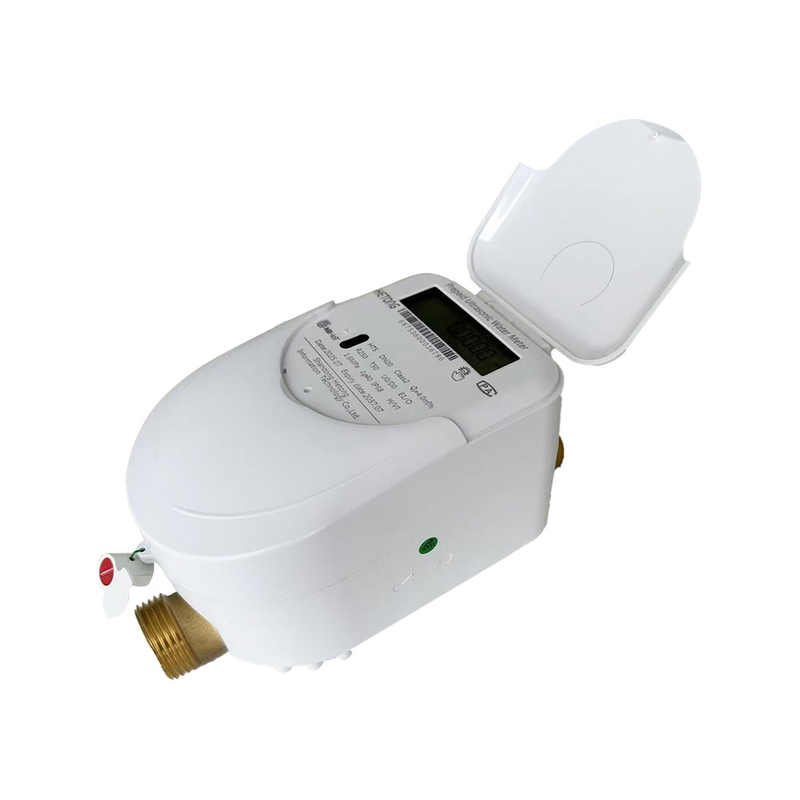
Water meters come in different types, each using unique technology to measure water flow. Their accuracy varies based on design, operating principles, and application suitability. Here’s a closer look at the three main types:
Mechanical meters rely on physical movement caused by flowing water. They usually contain gears, pistons, or turbines that rotate or move to measure volume.
● Positive Displacement Meters: These trap fixed water volumes in chambers and count cycles to measure flow. They excel at low to medium flow rates and offer good accuracy in residential or small commercial settings.
● Turbine Meters: These use a spinning turbine wheel inside the pipe. The turbine speed matches flow rate, making them suitable for medium to high flows, commonly found in industrial use.
Mechanical meters are generally cost-effective and simple, but moving parts wear over time, potentially reducing accuracy. They may struggle with very low or highly variable flow rates.
Ultrasonic meters use sound waves to measure flow. They send ultrasonic pulses through water and calculate flow by measuring the time difference or frequency shift of the waves.
● They provide high accuracy across a wide flow range.
● No moving parts means less wear and tear.
● Some models can be installed non-intrusively on pipe exteriors, simplifying installation and maintenance.
Ultrasonic meters perform well in clean water and industrial environments, offering real-time data for monitoring. However, accuracy can be affected by bubbles or suspended solids.
Electromagnetic meters operate on Faraday’s law, generating voltage when conductive water flows through a magnetic field.
● They deliver high accuracy over a broad flow range.
● No moving parts reduce maintenance needs.
● Suitable for conductive fluids, including water with impurities or chemicals.
These meters are ideal for industrial and municipal applications where water quality varies. They require power to operate and may have higher upfront costs.
Selecting the right meter depends on flow conditions, water quality, and accuracy needs; each type has strengths and limitations impacting measurement precision.
Positive displacement meters measure water flow by capturing fixed volumes in chambers. Each chamber fills and empties, and the meter counts these cycles to calculate total volume. This method works well for low to medium flow rates, making it a popular choice for homes and small businesses.
Pros:
● High accuracy at low flow rates
● Simple mechanical design
● Reliable for clean water applications
Cons:
● Moving parts prone to wear
● Not ideal for very high flows
● Can be affected by water with debris
Turbine meters use a spinning turbine wheel inside the pipe. Water flow causes the turbine to rotate, and the rotation speed correlates with flow rate. These meters suit medium to high flow rates, often found in industrial settings.
Pros:
● Good accuracy for medium to high flows
● Fast response to flow changes
● Compact and lightweight design
Cons:
● Turbine blades subject to wear and fouling
● Sensitive to flow disturbances and water quality
● Requires straight pipe sections for stable readings
While mechanical meters are widely used and cost-effective, they face several challenges affecting accuracy:
● Wear and Tear: Moving parts like gears and turbines degrade over time, causing measurement drift.
● Sensitivity to Water Quality: Sediment, sand, or air bubbles can jam or damage components.
● Flow Range Limitations: They perform poorly at very low or highly variable flow rates.
● Installation Requirements: Proper alignment and sufficient straight pipe lengths are critical to avoid turbulence.
● Maintenance Needs: Regular cleaning and calibration are essential to maintain accuracy.
In summary, mechanical water meters offer a dependable and affordable solution for many applications. However, their accuracy can decline due to mechanical wear and environmental factors. For precise measurement, especially in demanding industrial settings, other meter types might be more suitable.
Regularly inspect and maintain mechanical water meters to prevent accuracy loss caused by wear and debris buildup.
Ultrasonic water meters measure flow by sending sound waves through water and calculating the time difference or Doppler shift between signals. This technology offers very high accuracy, often within ±0.5%, across a broad flow range. Unlike mechanical meters, ultrasonic meters have no moving parts, which eliminates wear-related errors and ensures consistent precision over time.
They provide real-time data, allowing users to monitor water usage instantly. This feature is especially valuable in industrial settings where process control and leak detection depend on timely, accurate information. The ability to capture transient flow changes helps optimize operations and conserve water resources.
One standout benefit of ultrasonic meters is their non-intrusive installation option. Clamp-on ultrasonic meters attach externally to pipes without cutting or disrupting flow. This reduces downtime and installation costs, making it ideal for retrofit projects or sensitive environments where pipe integrity must remain intact.
Non-intrusive meters also simplify maintenance since there’s no direct contact with water. This reduces risks of contamination and mechanical damage. However, clamp-on models may have slightly lower accuracy than inline ultrasonic meters but still outperform many mechanical types.
Ultrasonic water meters excel in industries demanding high accuracy and reliability. They are widely used in:
● Water utilities: For precise billing and leak detection.
● Petrochemical plants: Where accurate flow measurement impacts safety and efficiency.
● HVAC systems: Monitoring chilled and hot water flow for energy management.
● Food and beverage: Ensuring consistent process control without contamination risk.
Their durability and resistance to harsh environments make them suitable for wastewater treatment and chemical processing plants. Moreover, their ability to handle varying flow rates and water qualities enhances their versatility.
Choose ultrasonic meters for applications needing high accuracy and minimal maintenance, especially when non-intrusive installation is preferred to avoid process disruption.
Electromagnetic water meters measure flow using Faraday’s law of electromagnetic induction. When conductive water passes through a magnetic field inside the meter, it induces a voltage proportional to the flow velocity. Electrodes inside the pipe detect this voltage, which the meter converts into a flow rate.
Since the measurement depends on the water’s conductivity, these meters work best with water containing some level of impurities or minerals. Pure distilled water or non-conductive fluids won’t produce a measurable voltage, so electromagnetic meters are unsuitable for those.
Electromagnetic meters offer several advantages:
● High Accuracy: Typically ±0.2% accuracy across a wide flow range, making them suitable for precise industrial applications.
● No Moving Parts: This means less wear, lower maintenance, and longer lifespan compared to mechanical meters.
● Insensitive to Fluid Properties: Unlike mechanical meters, they aren’t affected by viscosity, density, or temperature changes.
● Wide Range of Applications: Can measure dirty, corrosive, or abrasive fluids, including wastewater and chemical mixtures.
● Bidirectional Measurement: Can detect flow in either direction, useful for complex piping systems.
These features make electromagnetic meters ideal for municipal water treatment, chemical plants, and industries requiring reliable, accurate flow data over time.
While electromagnetic meters bring many benefits, some factors should be considered:
● Power Requirement: They need a stable electrical supply to operate sensors and electronics. This may limit use in remote locations without power access.
● Pipe Material and Lining: The pipe section where the meter installs must be non-magnetic and electrically insulated from the meter electrodes for accurate readings.
● Water Conductivity: Water conductivity must exceed a minimum threshold (usually around 5 µS/cm). Very pure water or deionized water may not be measurable.
● Installation Requirements: Proper straight pipe lengths upstream and downstream help stabilize flow and improve accuracy.
● Higher Initial Cost: Electromagnetic meters generally cost more upfront than mechanical meters, though lower maintenance often offsets this over time.
Despite these considerations, electromagnetic meters remain a top choice for industries demanding high accuracy and durability in challenging water conditions.
Ensure your water’s conductivity meets the meter’s minimum requirement before choosing an electromagnetic water meter to guarantee accurate readings.
Choosing a water meter starts with understanding your flow rate needs. Different meters perform best at specific flow ranges. For example, positive displacement meters excel at low to medium flows, making them ideal for residential or small commercial use. Turbine meters handle medium to high flow rates, common in industrial settings. Ultrasonic and electromagnetic meters cover wide flow ranges, often from very low to very high flows, providing flexibility.
If your application involves fluctuating flow rates, consider meters that maintain accuracy across those changes. Ultrasonic meters, for instance, can measure both low and high flows accurately. Mechanical meters might struggle at very low flows or during rapid changes.
Water quality significantly affects meter performance. Mechanical meters with moving parts are vulnerable to sediment, sand, or debris that can cause wear or blockages. If your water contains impurities or suspended solids, ultrasonic or electromagnetic meters may offer better reliability.
Electromagnetic meters require conductive water, so very pure or distilled water may not register properly. Ultrasonic meters can be affected by air bubbles or very dirty water, though some models compensate for these issues.
Consider corrosive or chemically treated water as well. Materials used in the meter must resist corrosion to avoid damage and ensure long-term accuracy.
Initial cost is often a deciding factor. Mechanical meters usually have the lowest purchase price, making them attractive for budget-conscious projects. However, they may require more maintenance and replacement parts, increasing lifetime costs.
Ultrasonic and electromagnetic meters have higher upfront costs but benefit from no moving parts, reducing wear and maintenance. Their longer lifespan and better accuracy can lead to savings over time, especially in critical or high-usage applications.
Factor in installation costs too. Non-intrusive ultrasonic meters can lower installation expenses by avoiding pipe cutting and downtime. Also, consider calibration and service intervals; electronic meters may need periodic software updates or sensor checks.
Match your water meter choice to your flow rate, water quality, and budget needs to ensure accurate measurement and cost-effective operation over time.
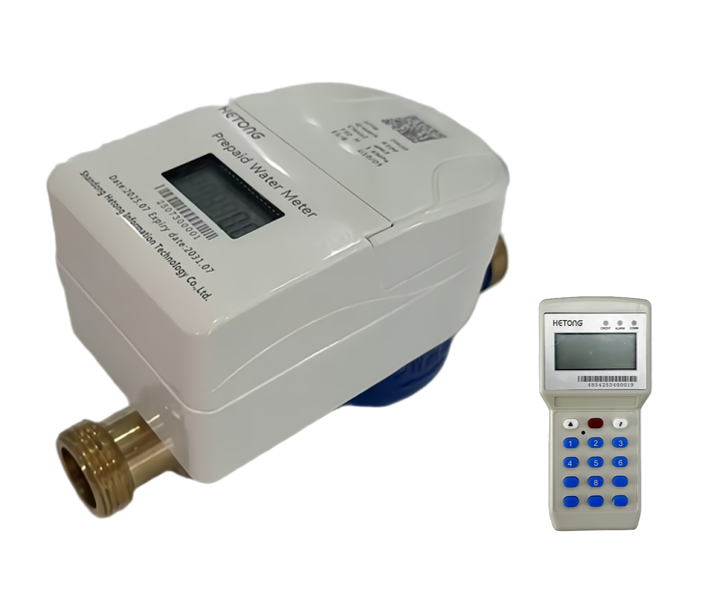
In a large petrochemical plant, accurate water flow measurement is critical for process control, environmental compliance, and cost management. Initially, the plant relied on mechanical water meters, mainly turbine and positive displacement types. However, these meters presented several issues:
● Reduced Accuracy at High Flow Rates: Mechanical meters struggled to maintain precision during fluctuating and high-volume flows common in petrochemical processes.
● Wear and Tear: Moving parts wore down quickly due to abrasive water containing sediments, causing measurement drift.
● Maintenance Downtime: Frequent cleaning and repairs interrupted operations and increased costs.
● Sensitivity to Water Quality: Suspended solids and air bubbles affected meter performance, leading to inconsistent readings.
These challenges led to inaccurate water usage data, complicating process optimization and regulatory reporting. The plant needed a more reliable solution to maintain tight control over water consumption and comply with environmental standards.
After evaluating alternatives, the plant chose to upgrade to ultrasonic water meters. This decision was based on several advantages ultrasonic technology offered:
● High Accuracy Across Flow Ranges: Ultrasonic meters maintained ±0.5% accuracy even with variable flow rates.
● No Moving Parts: This eliminated wear-related issues and reduced maintenance needs.
● Non-Intrusive Installation Options: Clamp-on models allowed installation without cutting pipes, minimizing downtime.
● Real-Time Monitoring: The meters provided instant data, enabling better process control and leak detection.
The plant installed inline ultrasonic meters at critical points and clamp-on units in areas where pipe modifications were impractical. Staff received training on meter operation and maintenance to maximize benefits.
The switch to ultrasonic meters brought significant improvements:
● Improved Measurement Accuracy: The plant achieved consistent, reliable water flow data, enhancing process control and resource management.
● Reduced Maintenance Costs: Fewer repairs and no mechanical wear lowered operational expenses and downtime.
● Enhanced Environmental Compliance: Accurate data supported better reporting and adherence to regulations.
● Water Conservation: Real-time monitoring helped detect leaks early, reducing water waste and associated costs.
● Operational Efficiency: With precise flow data, the plant optimized water use, improving overall productivity.
This case highlights how selecting the right water meter technology can solve accuracy problems and deliver long-term value in demanding industrial environments.
When upgrading flow measurement in industrial settings, consider ultrasonic meters to reduce maintenance and improve accuracy under variable conditions.
Accurate water measurement is crucial for billing, resource management, and process control. Mechanical meters, while cost-effective, face wear and tear issues. Ultrasonic and electromagnetic meters offer high accuracy and minimal maintenance. For industries needing precise flow data, these advanced meters are ideal. Shandong Hetong Information Technology Co., Ltd. provides innovative water meter solutions, ensuring reliability and efficiency. Their products offer significant value by combining cutting-edge technology with excellent service, meeting diverse customer needs. Future trends indicate further advancements in water meter technology.
A: The most accurate water meters are typically ultrasonic and electromagnetic meters, offering high precision across a wide flow range due to their advanced technology and lack of moving parts.
A: Water meter accuracy directly impacts billing by ensuring that the measured water usage reflects true consumption, preventing overcharging or undercharging customers.
A: Mechanical water meters can lose accuracy due to wear and tear of moving parts, sediment buildup, or incorrect installation, leading to measurement drift.
A: Ultrasonic water meters provide high accuracy, real-time data, and non-intrusive installation, making them ideal for precise monitoring and minimal maintenance.
A: Electromagnetic water meters measure flow using Faraday’s law, detecting voltage induced by conductive water passing through a magnetic field, ensuring high accuracy.


