
Views: 0 Author: Site Editor Publish Time: 2026-04-06 Origin: Site
Smart irrigation is revolutionizing agriculture by combining technology, data analysis, and water management to optimize how crops are watered. Unlike traditional irrigation methods that rely on fixed schedules or human observation, smart irrigation systems use real-time information to provide plants with exactly the amount of water they need, when they need it. This approach not only maximizes crop yield but also conserves water—a critical resource in a world facing climate change and increasing population pressures.
Globally, agriculture accounts for nearly 70% of freshwater use, and inefficient irrigation is one of the main contributors to water wastage. Traditional irrigation methods, such as flood or furrow irrigation, often lead to overwatering, soil erosion, and nutrient runoff. As a result, farmers are increasingly turning to smart water conservancy techniques to preserve water, reduce costs, and protect the environment. These methods are crucial not only in drought-prone areas but also in regions where water costs are rising or water resources are limited.
The integration of Well Electricity Dual-Control Control Box technology into smart irrigation systems further enhances efficiency by allowing precise control of water pumping from wells, adjusting flow rates automatically according to soil moisture levels, crop type, and weather conditions.
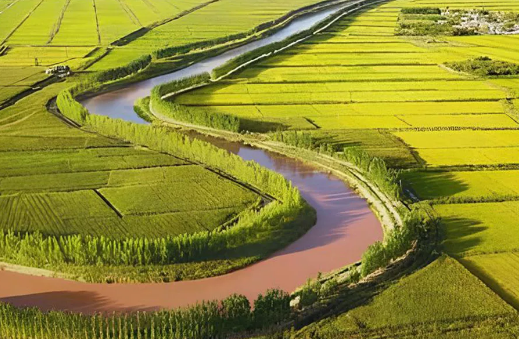
Smart irrigation systems operate by continuously collecting data about environmental conditions, crop needs, and water availability, then using this data to make automated decisions about irrigation schedules. This method ensures crops receive optimal hydration while minimizing water waste.
A typical smart irrigation system consists of several interconnected components:
| Component | Function | Example/Notes |
|---|---|---|
| Soil Moisture Sensors | Measure soil water content in real-time | Capacitive or resistive sensors |
| Weather Stations | Monitor rainfall, temperature, and humidity | Localized microclimate data |
| Control Box | Acts as the central hub for irrigation control | Well Electricity Dual-Control Control Box allows dual-management of pumps and valves |
| Valves & Sprinklers | Deliver water precisely based on system commands | Drip irrigation or micro-sprinklers |
| Cloud Platform | Stores and analyzes collected data | Enables remote monitoring and alerts |
| Software Interface | Provides dashboards and automated rules | Mobile apps and web platforms |
Data is the backbone of smart irrigation. Sensors collect environmental parameters such as soil moisture, nutrient levels, and temperature. This data is then analyzed to determine irrigation schedules that maximize efficiency. Advanced analytics can also detect patterns in crop growth and water consumption, allowing farmers to anticipate water demand rather than react to it. The result is significant water savings and improved plant health.
By incorporating smart water conservancy strategies with real-time analytics, farmers can reduce irrigation water usage by 20–40% while improving crop yields, according to recent studies.
Smart irrigation systems can be categorized based on their technology and automation level:
Sensor-Based Irrigation – Uses soil moisture or temperature sensors to determine water needs.
Weather-Based Irrigation – Adjusts watering schedules according to forecasted rainfall and evapotranspiration rates.
IoT-Connected Systems – Uses cloud-connected devices for real-time monitoring and remote control.
Integrated Pump-Control Systems – Combines irrigation control with water source management, such as a Well Electricity Dual-Control Control Box, allowing simultaneous optimization of water pumping and irrigation scheduling.
The Internet of Things (IoT) is a cornerstone of modern smart irrigation. Sensors, control boxes, and irrigation valves are connected to the internet, providing continuous communication between field devices and centralized platforms. This connectivity allows farmers to monitor soil moisture levels, pump activity, and weather conditions remotely and make immediate adjustments.
IoT integration ensures that water is applied efficiently and in response to real-time conditions rather than rigid schedules. It also enables predictive irrigation by analyzing historical patterns and environmental trends.
Artificial Intelligence (AI) and Machine Learning (ML) enhance smart irrigation by enabling systems to learn from historical data and improve decision-making over time. AI algorithms can predict soil moisture levels, plant stress, and potential irrigation requirements, optimizing water distribution to reduce waste.
For example, combining AI with a Well Electricity Dual-Control Control Box allows the system to not only manage irrigation but also control well pumps efficiently, adjusting electricity usage and water output to match crop demand. This integrated approach can save significant operational costs.
Global Positioning System (GPS) and remote sensing technologies help map field conditions accurately. Satellite imagery and drone-based sensors can detect crop health, soil moisture variability, and pest infestations. This spatial data enables precision irrigation, ensuring that different sections of a field receive water tailored to their unique requirements.
By using GPS-guided irrigation systems, farmers can reduce water consumption by avoiding overwatering in areas with naturally higher soil moisture and focusing on drier zones. These techniques align perfectly with smart water conservancy initiatives.
The primary advantage of smart irrigation is efficient water usage. By delivering water only where and when it is needed, these systems can reduce water waste by up to 40%. Integrating technologies like Well Electricity Dual-Control Control Box ensures that groundwater is pumped efficiently, preventing overuse and promoting sustainability.
Smart irrigation promotes consistent and optimal soil moisture, which is critical for healthy root development and nutrient absorption. This results in stronger plants, fewer diseases, and higher yields. Crops grown under precision irrigation methods often exhibit uniform growth, better fruit quality, and higher market value.
Although initial installation costs for smart irrigation systems can be high, the long-term financial benefits are substantial. Reduced water bills, lower energy consumption (especially when integrated with Well Electricity Dual-Control Control Box), and decreased labor costs contribute to overall savings. Studies show that farms adopting smart irrigation can see ROI within 3–5 years, depending on scale and crop type.
Smart irrigation systems simplify farm management by automating water delivery. Farmers can schedule irrigation from a mobile device, receive alerts about low soil moisture, or even allow AI-driven systems to operate autonomously. This convenience frees up time for other farm operations and reduces human error.
Start by evaluating the specific water requirements of your crops using data analysis tools. Soil type, crop species, local climate, and historical rainfall patterns are key factors. Use sensors to measure soil moisture and integrate weather forecasts to develop a precise irrigation plan.
| Factor | Recommended Tool/Method |
|---|---|
| Soil Moisture | Capacitive sensors, tensiometers |
| Crop Water Demand | Evapotranspiration calculators, AI models |
| Climate Conditions | Weather stations, local meteorological data |
| Historical Data | Cloud-based analytics platforms |
Selecting the appropriate system depends on your farm size, crop type, and water source. Consider systems that integrate with Well Electricity Dual-Control Control Box for efficient pump management. Key considerations include:
Compatibility with sensors and control boxes
Cloud connectivity for remote monitoring
AI-driven scheduling for predictive irrigation
User-friendly software with dashboards and alerts
Once implemented, software optimization ensures maximum efficiency:
Set Thresholds for Soil Moisture – Prevent overwatering by defining minimum and maximum soil moisture levels.
Schedule Irrigation Based on Weather Data – Avoid watering before rainfall events.
Monitor System Performance – Use analytics dashboards to track water usage, pump activity, and crop response.
Integrate Pump Control – Leverage Well Electricity Dual-Control Control Box features to balance water demand and electricity usage.
Continuous Learning – Let AI and machine learning refine schedules based on historical data and crop response.
Q1: Can smart irrigation save water in small farms?
Yes, even small-scale farms benefit from smart irrigation by reducing overwatering, improving crop health, and lowering labor requirements.
Q2: How does a Well Electricity Dual-Control Control Box improve irrigation efficiency?
It enables dual management of water pumps and valves, optimizing electricity consumption while ensuring precise irrigation delivery.
Q3: Are smart irrigation systems expensive to install?
Initial costs vary depending on scale and technology, but long-term savings in water, energy, and labor often outweigh installation expenses.
Q4: Can AI predict irrigation needs accurately?
Yes, AI uses historical data, weather forecasts, and sensor inputs to make highly accurate irrigation predictions, reducing water waste.
Q5: What types of crops benefit most from smart irrigation?
High-value crops such as fruits, vegetables, and specialty grains benefit the most due to their precise water requirements.
Q6: How often should sensors be calibrated?
Soil moisture and environmental sensors should be checked at least seasonally, or more frequently in high-variability environments, to ensure data accuracy.
In conclusion, smart irrigation represents the future of sustainable farming. By integrating advanced technologies like IoT, AI, GPS, and Well Electricity Dual-Control Control Box management, farmers can achieve smart water conservancy, conserve vital resources, improve crop yields, and reduce operational costs. The combination of data-driven decision-making, automation, and predictive analytics empowers modern agriculture to meet global food demands while addressing environmental challenges.
Smart irrigation is no longer just a technological trend—it’s an essential strategy for resilient, efficient, and profitable farming.


