
Views: 0 Author: Site Editor Publish Time: 2026-04-16 Origin: Site
Water scarcity has become one of the most pressing environmental and agricultural challenges of the 21st century. With global populations growing and climate change altering rainfall patterns, efficient water management is no longer optional—it is essential. One of the most promising technological solutions to this challenge is the smart irrigation system, an advanced approach that combines automation, sensors, data analytics, and intelligent control mechanisms to optimize water usage.
Smart irrigation systems are a central part of modern smart water conservancy strategies. They allow farmers, landscapers, and urban planners to monitor soil conditions, weather patterns, and plant water requirements in real time. By delivering the right amount of water at the right time, these systems significantly reduce water waste while improving plant health and agricultural productivity.
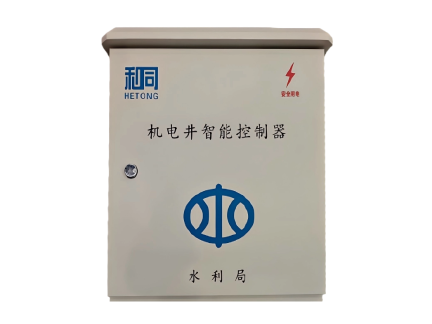
Another critical component supporting advanced irrigation infrastructure is the Well Electricity Dual-Control Control Box, which provides integrated management of irrigation pumps and electrical systems. This technology enhances system efficiency, stabilizes water supply operations, and helps reduce energy consumption during irrigation cycles.
This guide explores how smart irrigation systems work, their benefits, their features, and how they contribute to global water conservation initiatives.
A smart irrigation system is an automated watering system that uses technology and data to determine when and how much water plants need. Unlike traditional irrigation systems that operate on fixed timers, smart irrigation adjusts watering schedules dynamically based on environmental conditions.
Smart irrigation typically incorporates:
Soil moisture sensors
Weather monitoring systems
Automated irrigation controllers
Mobile and cloud-based management platforms
Data analytics for water usage optimization
These components work together to create a responsive irrigation ecosystem that supports smart water conservancy practices across agriculture, landscaping, and urban green spaces.
Modern systems can also integrate with hardware such as the Well Electricity Dual-Control Control Box, enabling synchronized control of groundwater pumping and irrigation schedules. This integration improves water extraction efficiency while reducing electricity usage.
| Feature | Traditional Irrigation | Smart Irrigation Systems |
|---|---|---|
| Scheduling | Fixed timer | Dynamic, data-driven |
| Water efficiency | Moderate to low | High efficiency |
| Monitoring | Manual inspection | Real-time monitoring |
| Automation | Limited | Fully automated |
| Energy management | Minimal | Integrated with control devices such as Well Electricity Dual-Control Control Box |
Smart irrigation technology represents a significant step forward in sustainable water management.
The advantages of smart irrigation systems extend beyond water savings. They also improve plant health, reduce operational costs, and support environmental sustainability.
One of the primary goals of smart irrigation is reducing unnecessary water consumption. By monitoring soil moisture levels and weather conditions, these systems prevent overwatering.
Research shows that smart irrigation systems can reduce water use by 20%–50% depending on climate, soil type, and crop requirements.
This reduction supports broader smart water conservancy initiatives that aim to preserve freshwater resources for future generations.
Plants receive optimal moisture levels when irrigation is precisely controlled. This reduces plant stress and encourages stronger root development.
Benefits include:
Better nutrient absorption
Reduced disease caused by excess moisture
More consistent crop yields
Healthier lawns and landscapes
Pumping water consumes significant energy, especially in systems relying on groundwater wells. Integrating devices such as the Well Electricity Dual-Control Control Box allows automated pump control, ensuring water is only pumped when needed.
This results in:
Lower electricity consumption
Reduced operational costs
Extended pump lifespan
Automation reduces the need for manual irrigation management. Farmers and property managers can monitor and control irrigation remotely through mobile apps or web platforms.
Smart irrigation platforms generate detailed reports on water usage, system performance, and environmental conditions. These insights allow users to continuously refine irrigation strategies.
Smart irrigation systems rely on a combination of hardware and software technologies to deliver precision watering.
| Component | Function |
|---|---|
| Soil moisture sensors | Measure water levels in soil |
| Weather stations | Track rainfall, humidity, and temperature |
| Smart controllers | Adjust irrigation schedules automatically |
| Mobile apps | Enable remote monitoring and control |
| Pump control systems | Devices such as Well Electricity Dual-Control Control Box regulate water extraction |
Modern systems may also include:
AI-powered irrigation scheduling
GPS-based landscape mapping
Satellite weather forecasting
Leak detection alerts
Water flow monitoring
Integration with smart home systems
These features make smart irrigation systems a critical tool for implementing smart water conservancy programs in both rural and urban settings.
Selecting the right smart irrigation system requires careful evaluation of several factors.
| Factor | Why It Matters |
|---|---|
| Landscape size | Determines system capacity |
| Plant types | Different plants require different water levels |
| Soil type | Affects water retention and drainage |
| Climate conditions | Influences irrigation frequency |
| Water source | Determines compatibility with pump systems like Well Electricity Dual-Control Control Box |
Weather-Based Irrigation Systems
These systems adjust watering schedules based on local weather data and evapotranspiration rates.
Soil Moisture Sensor Systems
Sensors measure soil moisture directly and trigger irrigation when the soil becomes too dry.
Hybrid Systems
These systems combine weather data and soil sensors for maximum accuracy.
Hybrid systems are increasingly popular because they offer the most precise irrigation control and support comprehensive smart water conservancy strategies.
Proper installation and maintenance are essential for maximizing the performance of smart irrigation systems.
Conduct a soil analysis before installation.
Place soil moisture sensors at appropriate root depths.
Ensure irrigation zones match plant water requirements.
Integrate pump systems with Well Electricity Dual-Control Control Box for efficient water management.
Connect the system to reliable internet or IoT networks.
| Task | Frequency |
|---|---|
| Check sensor accuracy | Every 3–6 months |
| Inspect irrigation lines | Monthly |
| Update software | When updates are released |
| Test pump control systems | Quarterly |
| Review water usage data | Monthly |
Regular maintenance ensures that smart irrigation systems continue operating efficiently and contributing to smart water conservancy goals.
Smart irrigation systems play a vital role in global water conservation efforts.
Governments, environmental organizations, and agricultural institutions are promoting smart irrigation technologies as part of broader sustainability initiatives.
Examples of water conservation benefits include:
Reduced groundwater depletion
Lower urban water demand
Improved agricultural efficiency
Decreased environmental impact
By combining smart irrigation with technologies like the Well Electricity Dual-Control Control Box, water management systems become more resilient and adaptable.
These technologies are especially important in regions experiencing droughts or water shortages.
The future of irrigation lies in intelligent, connected systems that combine technology with sustainable practices.
Emerging trends include:
AI-powered irrigation forecasting
Drone-assisted crop monitoring
IoT-based irrigation networks
Smart city water management integration
Automated groundwater monitoring
These innovations are strengthening smart water conservancy frameworks worldwide.
Smart irrigation systems are not just tools for farmers—they are essential infrastructure for sustainable cities, resilient agriculture, and responsible environmental stewardship.
As climate change intensifies water challenges, smart irrigation will play an increasingly critical role in protecting one of the planet’s most valuable resources.
A smart irrigation system is an automated watering system that uses sensors, weather data, and intelligent controllers to determine the optimal amount of water plants need.
They monitor soil moisture, weather conditions, and plant requirements to avoid unnecessary watering, significantly reducing water waste.
Smart water conservancy refers to the use of digital technology, automation, and data analysis to manage water resources efficiently and sustainably.
The Well Electricity Dual-Control Control Box is a device that manages both water pumps and electrical systems in irrigation infrastructure. It allows synchronized control of water extraction and irrigation schedules.
Initial installation costs may be higher than traditional systems, but long-term savings in water, energy, and labor often offset these expenses.
Yes. Many homeowners use smart irrigation systems to manage lawn and garden watering more efficiently.
Studies show that smart irrigation systems can reduce water consumption by 20–50%, depending on environmental conditions and system configuration.
Many advanced systems use cloud-based platforms and IoT connectivity for remote monitoring, though some basic models can operate offline.
Smart irrigation systems represent a powerful step toward sustainable water management. By integrating advanced technologies, automated control mechanisms, and devices like the Well Electricity Dual-Control Control Box, these systems help individuals, farms, and cities achieve meaningful smart water conservancy goals while protecting precious water resources for the future.


